Skip to product information
1 of 4

Botanica Gaia

Black Cardamom Essential Oil | Amomum Subulatum | Smoke Scent

Black Cardamom Essential Oil | Amomum Subulatum | Smoke Scent

Black cardamom pod oil · Smoky, warm-spicy and intensely camphoraceous

Regular price $250.00 USD
Regular price Sale price $250.00 USD
Sale Sold out
Taxes included. Shipping calculated at checkout.
Size
Quantity


Botanical Name: Amomum Subulatum.
Family Name: Zingiberaceae. 
Common Name: Black Cardamom, Hill Cardamom, Greater Cardamom, Brown cardamom, Nepal Cardamom, Winged Cardamom, Big Cardamom.   
INCI: Amomum Subulatum (Cardamom) Pod Oil.
Extraction Method: Steam Distilled.
Parts Used: Pods.
Note: Middle note. 
Odor: Spicy, strong, camphor warm, smoky rich, extremely tenacious. It has a smoky, slightly bitter flavor with notes of anise and menthol typical of cardamom.
Country of Origin: Nepal. 
Blends: Agarwood, Ambrette, Angelica, Benzoin, Bergamot, Black Currant Bud, Boronia, Carnation, Cassie, Cedarwood, Cinnamon, Cistus, Clary Sage, Clove, Frankincense, Geranium, Galbanum, Grapefruit, Hay, Helichrysum, Jasmine, Juniper, Labdanum, Laurel Leaf, Lavender, Lemon, Lemongrass, Liquidambar, Litsea Cubeba, Mandarin, Myrrh, Neroli, Orange (Bitter), Orange Blossom, Orris, Osmanthus, Patchouli, Petitgrain, Rose, Rosemary, Sandalwood, Seaweed, Tarragon, Tobacco, Tonka Bean, Tuberose, Vanilla, Vetiver, Violet Leaf, Ylang Ylang.

Cardamom essential oil has been used since ancient times in the creation of perfumes and in aromatherapy for its incredible smell and for all the properties it has. It is used in massage mixtures to relieve pain, mild inflammation, and congestion.
It has calming and stabilizing properties that promote emotional balance when used in aromatherapy. Helps improve concentration, strengthens brain function and reduces drowsiness. 

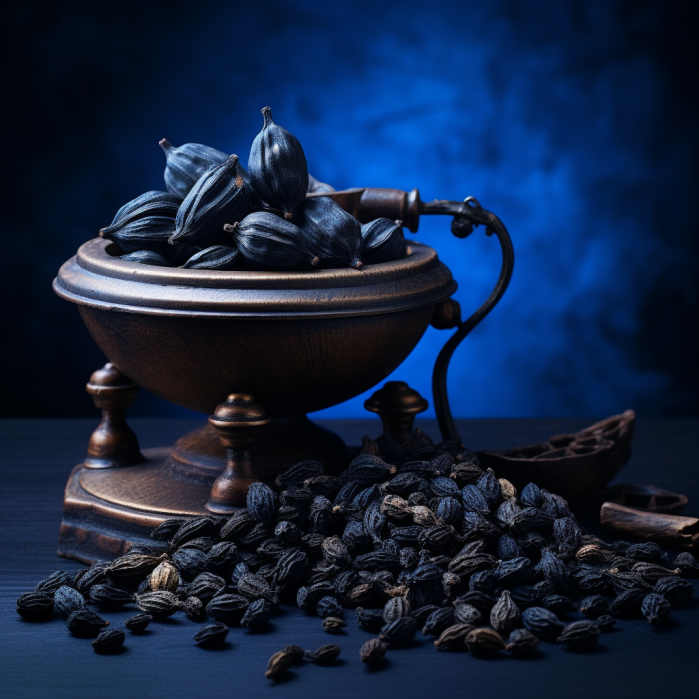
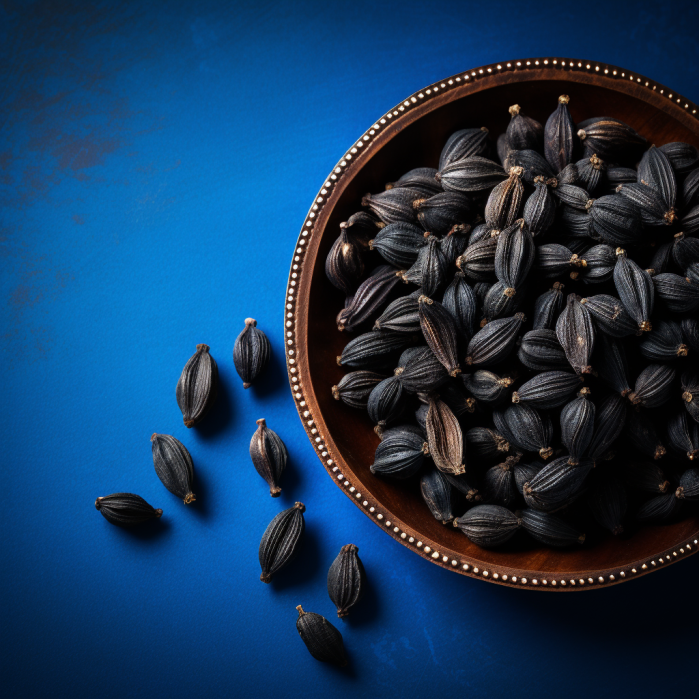
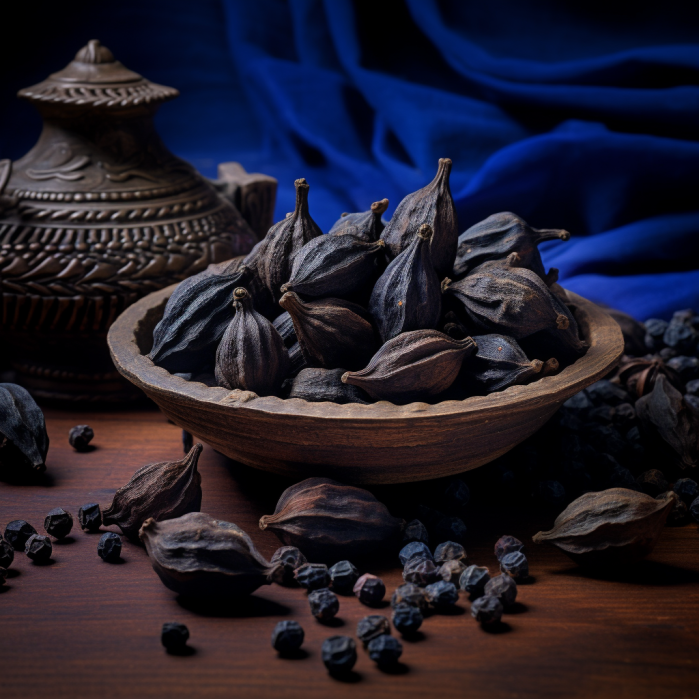
Widely used in Asia as a spice to give smoky flavor to dishes and with a camphorous touch. It has a stronger, fresher and spicier aroma than green cardamom. The essential oil is widely used in traditional Asian medicine to relieve cough, asthma and decongest the respiratory tract. It is native to Nepal, it is much larger in size than green cardamom, which is why it is commonly known as Big Cardamom. In Nepal it is known as Kali Elaichi or Badi Elaichi. Inside it has small round seeds that contain the camphorous note, while the smoky note is in the black cardamom peel and this aroma is acquired due to drying. Although cardamom is called green cardamom, they are two different species and do not have the same flavor or aroma.
It has a smoky, slightly bitter flavor with notes of anise and menthol typical of cardamom.


It has antiseptic properties, soothing. Helps with respiratory complaints and is useful in clearing congested nasal passages, relieves chest congestion, breathing problems, asthmatic attacks and coughs. Used to clean wounds and bruises it does not have the burning sensation caused by other antiseptics and disinfectants. Restores immunity, damages done by aging and general wear and tear,
Oakmoss oil is toxic to microbial organisms in the body and helps the body to fight bacterial infections and treats septic conditions. It is very effective in relieving acidity and conditions caused by ingesting irritating or poisonous substances.


Not for use during pregnancy, with the elderly, infants, or if epileptic. Possible skin irritant in some individuals; dilute well.


General Safety Information: 

-Do not take any oils internally.

-Use in low concentrations; avoid direct skin contact in pure form.

-Store in a cool, dark place to prevent oxidation.

-Do not apply undiluted essential oils and absolute.

-Use extreme caution when using oils with children, pregnancy and elderly (If have medical issues or are taking medications). 


Specifications

  • Botanical name: Amomum subulatum Roxb.
  • Family: Zingiberaceae
  • Common names: Black cardamom, Nepal cardamom, greater cardamom
  • Supplier-listed INCI: Amomum Subulatum (Cardamom) Pod Oil
  • Part used: Pods
  • Extraction: Steam distillation
  • Odour: Strong, spicy, smoky, warm and camphoraceous
  • Country of origin: Nepal
  • Perfumery note: Middle

Appearance and batch composition are not stated in the client copy; confirm them with the current COA and GC/MS.

Aromatic Profile

Intense smoke and warm spice with camphoraceous freshness, slight bitterness and nuances reminiscent of anise and menthol. Rich, persistent and more forceful than green cardamom.

Composition & Formulation

No batch GC/MS, allergen statement or verified maximum use level is provided in the product copy.

  • Request a current GC/MS or equivalent compositional report.
  • Use low bench-trial concentrations because the smoky-camphoraceous profile is dominant.
  • Set the final concentration from the supplier’s current safety data, allergens and applicable IFRA category.
  • Do not transfer culinary use or traditional medicinal claims to the essential oil.

Applications

  • Natural perfumery and smoky-spice accords
  • Incense-inspired aromatic compositions
  • Woody, amber, leather, tobacco and resinous fragrances
  • Aromatherapy products after category-specific safety review

Blending Direction

Pairs well with woods, resins, warm spices, vetiver, patchouli, labdanum, tobacco, vanilla, citrus, rose, jasmine and ylang ylang.

Safety & Handling

  • For external use only; do not ingest.
  • Do not apply undiluted essential oil to skin.
  • Patch test the finished formulation.
  • Review the current GC/MS, allergens and applicable IFRA guidance before use.
  • Seek qualified guidance for use during pregnancy, with children, by older adults or alongside medical treatment.
  • Do not market the oil as treating pain, respiratory illness, asthma, infection, wounds or neurological conditions.
View full details

The information presented here is for educating our customers about the traditional uses of essential oils and is not intended to diagnose, treat, cure, or prevent any disease. You are responsible for understanding the safe application of these products.