

Botanica Gaia
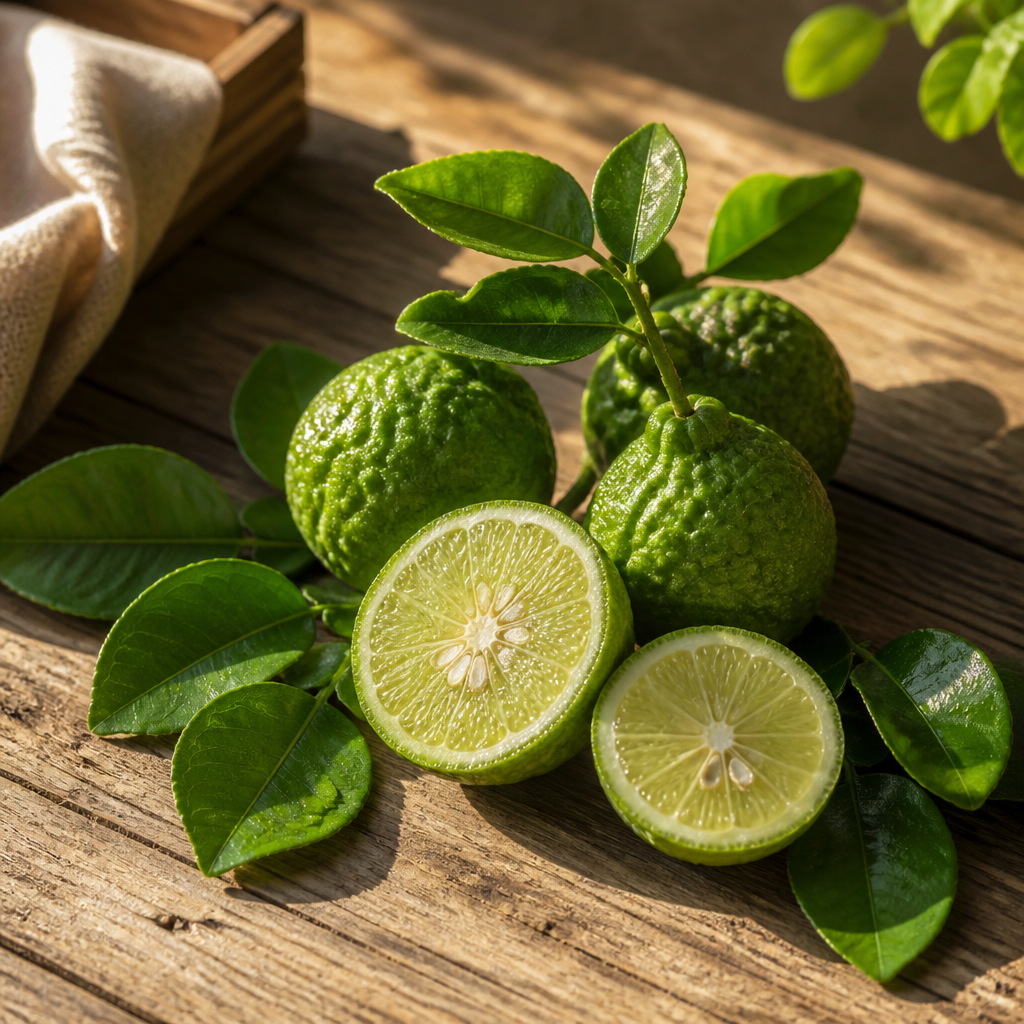
Bergamot Wax | Citrus Aurantium Bergamia
Bergamot Wax | Citrus Aurantium Bergamia
Aromatic Citrus Botanical Wax for Natural Perfumery, Balms & Luxury Grooming
Couldn't load pickup availability
Bergamot Wax
A botanical wax for anhydrous cosmetic and fragrance formulations.
Its aromatic profile is bergamot is one of the most versatile materials in perfumery.
At a Glance
- Common name: Bergamot.
- Plant part: Peels.
Specifications
- Trade botanical name: Citrus Aurantium Bergamia.
- Family: Rutaceae.
- Common name: Bergamot.
- INCI: Citrus Aurantium Bergamia Peels Wax.
- Part used: Peels.
- Extraction: Supercritical CO₂
- Appearance: Solid wax
- Flower origin / extraction: Bulgaria.
- Melting point: 60–70 °C
- Solubility: Oil-, alcohol- and butter-soluble; water-insoluble
- Perfumery role: Base; fixative
Aromatic Profile
Bright citrus and fresh green peel meet delicate floral nuances and soft bitter undertones in a warmer, more persistent wax format.
Aromatic Structure
- Bright citrus and green-peel opening
- Delicate floral and soft bitter nuances
- Deeper, warmer and less volatile than bergamot essential oil
Composition & Formulation
A botanical wax for anhydrous cosmetic and fragrance formulations.
Technical Details
- Plant part: Peels.
Formulation Notes
- Melt gently into the oil phase of anhydrous formulations
- Use to add structure and botanical character
- Store tightly closed in a cool, dry place
Applications
Cosmetic Formulation
- Balms and anhydrous body products
- Solid perfumes and fragrance bases
- Texture and structure in oil-based formulations
Safety & Handling
- For external use only; do not ingest.
- Patch test the finished formulation.
- Avoid direct flame and unnecessary heat.
- Store tightly closed and protected from heat, light and air.
Professional purchasing
Need a larger quantity, documentation or sourcing support?
Share
The information presented here is for educating our customers about the traditional uses of essential oils and is not intended to diagnose, treat, cure, or prevent any disease. You are responsible for understanding the safe application of these products.