

Botanica Gaia
Bio Ginger CO2 Extract | Zingiber officinale for Aromatherapy, Perfume and Incence
Bio Ginger CO2 Extract | Zingiber officinale for Aromatherapy, Perfume and Incence
Concentrated ginger rhizome CO₂ extract with a rich, deep, warm and spicy profile for perfumery, incense and aromatic formulations.
Couldn't load pickup availability
Ginger CO₂ Extract
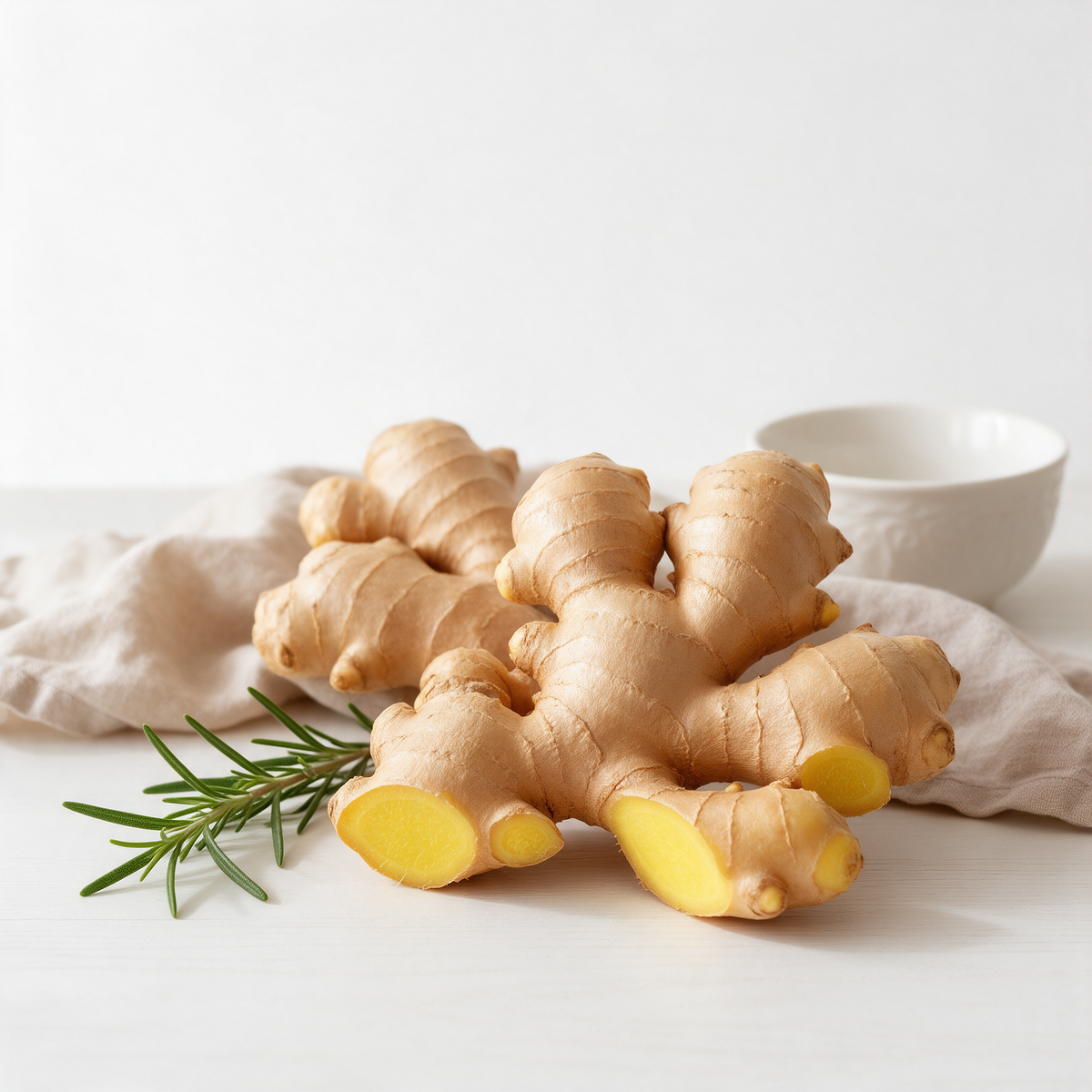
Extracted from the rhizomes of Zingiber officinale using carbon dioxide, this light-yellow extract has a rich, deep, warm and intensely spicy aroma.
Its concentrated middle-note character makes it suitable for perfumery, incense and energizing aromatic blends. Because even a small amount is powerful, it must be used sparingly and diluted appropriately before topical application.
At a Glance
- Aromatic profile: Rich, deep, warm and spicy
- Perfumery role: Middle note
- Suitable for: Perfumery, incense, aromatherapy and carefully diluted body formulations
Specifications of Ginger Root CO₂ Extract
- Botanical Name: Zingiber officinale
- Family Name: Zingiberaceae
- Common Names: Ginger and Zinziber
- INCI: Zingiber Officinale (Ginger) Root Extract
- Extraction Method: CO₂ extraction
- Part Used: Rhizomes
- Note: Middle note
- Odor: Rich, strong, deep, warm and spicy
- Appearance: Light yellow
- Country of Origin: United States
- Main Components Listed: Alpha-zingiberene and sesquiphellandrene
- Blends With: Star Anise, Balsam of Peru, Bergamot and other citrus oils, Black Pepper, Boronia, Caraway, Cardamom, Cedarwood, Cinnamon, Cistus, Clary Sage, Clove, Cocoa, Coffee, Coriander, Cypress, Elemi, Eucalyptus, Frankincense, Galbanum, Labdanum, Lemon, Lime, Liquidambar, Mandarin, Mimosa, Myrtle, Neroli, Nutmeg, Orange, Patchouli, Rose, Rosemary, Sandalwood, Spearmint, Turmeric, Vanilla, Verbena, Vetiver, Ylang Ylang and Yuzu
Aromatic Profile
A rich and concentrated ginger profile with strong, deep warmth and pronounced spice.
Its intensity gives energy and definition to middle-note compositions without requiring a large amount.
Blends with: spices, citrus materials, woods, resins, balsams, herbs, florals, coffee, cocoa, vanilla and vetiver.
Formulation & Usage
Formulation & Usage
This is a concentrated formulation ingredient. Determine the appropriate use level from the exact grade, supplier documentation, intended application, and finished-product safety assessment.
- Evaluate the aroma in dilution and begin with small trial additions.
- Check compatibility with your chosen carrier, alcohol base, wax, or incense medium.
- Confirm clarity and stability before scaling up production.
- Do not assume that Select and Total extracts have the same solubility or skin-use limits.
- For water-based products, use an appropriate formulation system rather than adding the extract directly to water.
Perfumery & Incense
- Use as a warm, spicy middle note in perfume and incense compositions.
- Use sparingly because a small amount has a strong aromatic impact.
Aromatic Use
- Suitable for diffusers and aromatic blends intended to create an energizing, balanced and grounding atmosphere.
Topical Formulation
- Dilute appropriately before topical application.
alpha-zingiberene and sesquiphellandrene as principal aromatic components.
Suggested Applications
Natural Perfumery:
Explore ginger as a spice accent in citrus perfumes, woody compositions, floral fragrances, and resinous accords. Evaluate it in dilution before adding it to a fragrance concentrate so you can assess its strength and how it develops alongside other materials. Ginger CO₂ extracts are used as fragrance ingredients in perfumes and scented personal care products.
Gourmand Fragrance Blends:
Pair with vanilla and cardamom for a chai-inspired direction, cacao for a spicy chocolate accord, or sweet orange and benzoin for a warm citrus gourmand. These combinations provide fragrance inspiration; the finished result depends on the materials, proportions, and dilution.
Aromatherapy & Ambient Scent Blends:
Use as an aromatic ingredient in appropriately formulated botanical scent blends. Confirm the extraction grade and equipment compatibility before using it in a diffuser. A CO₂ extract should not automatically be treated as interchangeable with steam-distilled ginger essential oil.
Incense Formulation:
Explore small trial additions in resin-based or botanical incense compositions. Ginger can provide a spicy contrast to frankincense, benzoin, and woody materials. Evaluate scent under the intended heating or burning conditions, as performance can differ from its aroma in the bottle.
Scented Body & Grooming Products:
Consider for professionally formulated perfume oils, solid perfumes, beard products, and other scented personal care preparations when supported by the supplier’s safety documentation. Compatibility and permitted concentration must be assessed for each finished product.
Safety
Even a small amount is very strong and must be diluted before use.
- For external use only.
- Do not ingest.
- Do not apply undiluted.
- Do not use during pregnancy or while breastfeeding.
- Use extreme caution with children.
- If you are epileptic, have liver damage, cancer, another medical condition, or take medication, use only under the guidance of a qualified aromatherapy practitioner.
The information provided describes traditional and cosmetic uses and is not intended to diagnose, treat, cure or prevent disease.
Professional purchasing
Need a larger quantity, documentation or sourcing support?
Share
The information presented here is for educating our customers about the traditional uses of essential oils and is not intended to diagnose, treat, cure, or prevent any disease. You are responsible for understanding the safe application of these products.