Skip to product information
1 of 3

Botanica Gaia

Blue Cornflower CO₂ Extract (Centaurea cyanus L)

Blue Cornflower CO₂ Extract (Centaurea cyanus L)

Cornflower flower CO₂ extract · Soft floral, honeyed-green profile

Regular price $14.99 USD
Regular price Sale price $14.99 USD
Sale Sold out
Taxes included. Shipping calculated at checkout.
Size
Quantity

The CO₂ extract of Centaurea cyanus — also known as Cornflower — is a rare and refined botanical essence celebrated for its soothing, decongesting, and revitalizing properties.

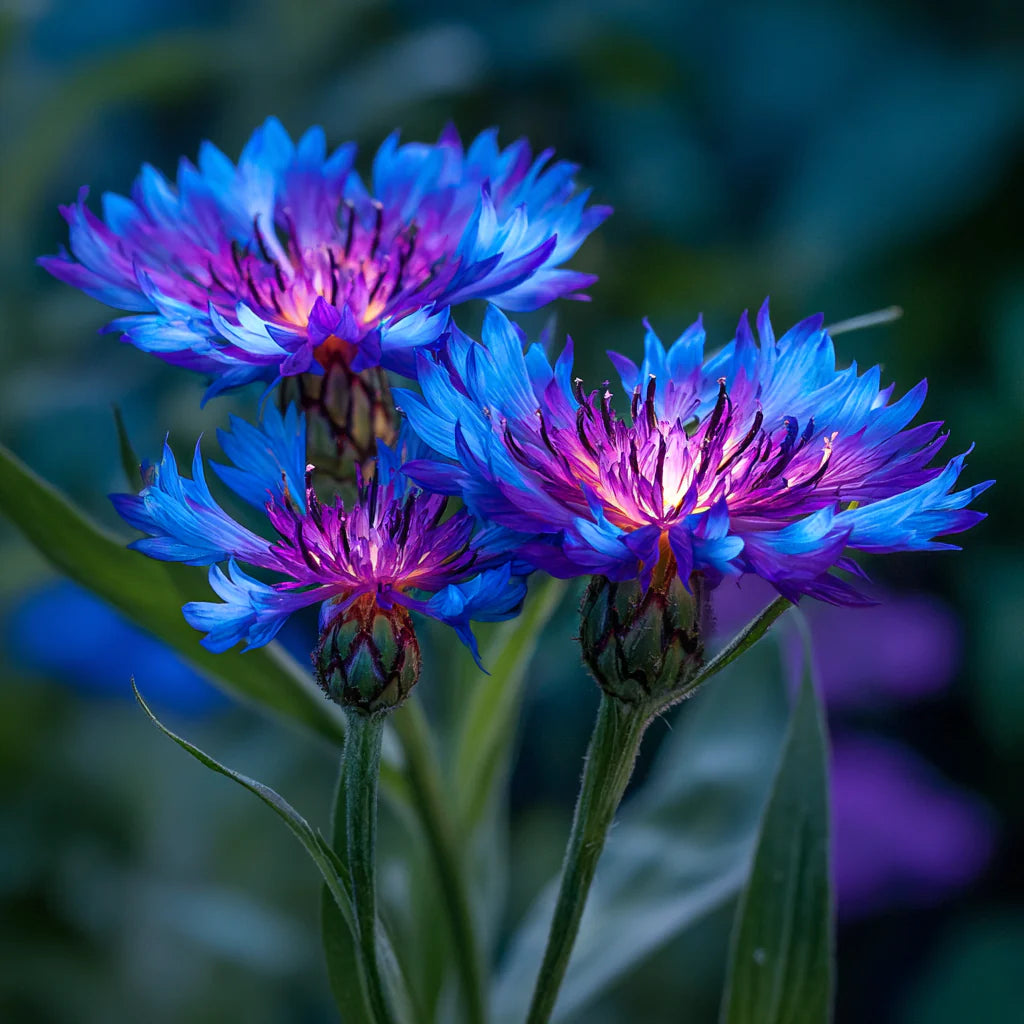
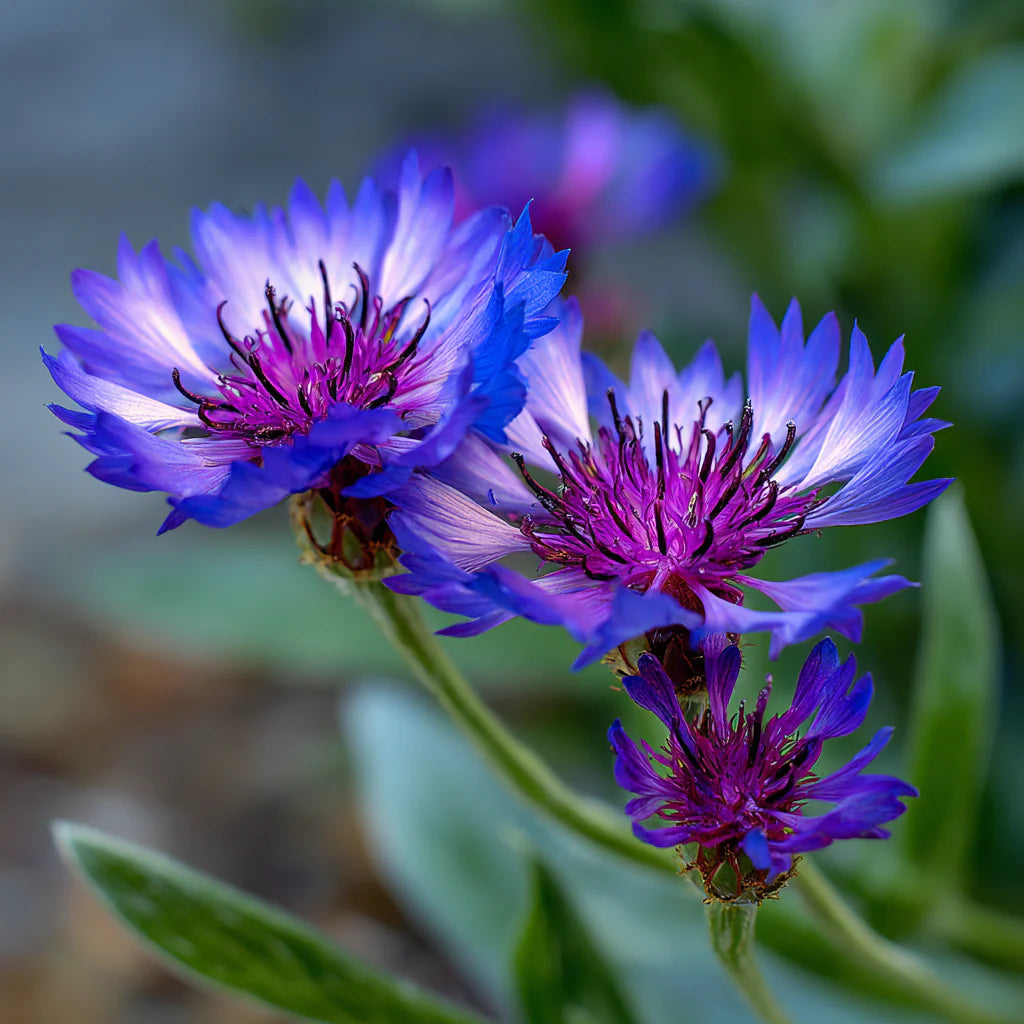
This delicate flower, with its iconic sapphire-blue petals, has been used since medieval times in herbal medicine to calm inflamed skin, soothe tired eyes, and refresh the complexion.

Through supercritical CO₂ extraction, the pure essence of the cornflower is captured in its most concentrated form, preserving a complete profile of aromatic esters, flavonoids, and phenolic compounds that bring balance and comfort to even the most sensitive skin.

Gentle yet effective, this extract embodies purity, tranquility, and floral serenity, making it ideal for high-end natural skincare, eye care, and soothing formulations.

The CO₂ extract of Centaurea cyanus is a floral masterpiece of gentleness and efficacy.

Combining ancient European herbal tradition with modern CO₂ technology, it provides the skin with calming, hydrating, and protective benefits, all while radiating the serene energy of the blue cornflower.

Its balanced composition of flavonoids, coumarins, and antioxidants makes it ideal for sensitive-skin, eye-care, and restorative formulations.

From a sensory standpoint, its delicate floral aroma adds a note of refinement and calm to luxury botanical cosmetics.

This extract is perfect for brands seeking a natural, eco-luxury ingredient that embodies purity, tranquility, and the gentle beauty of nature.

Specifications

  • Botanical name: Centaurea cyanus L.
  • Family: Asteraceae
  • Common name: Blue cornflower
  • Supplier-listed INCI: Centaurea Cyanus L. (Cornflower) Flowers CO₂ Extract; confirm exact official INCI wording
  • Part used: Flowers, according to the client specification
  • Extraction: Supercritical CO₂, according to the client specification
  • Appearance: Viscous; light yellow to golden
  • Country of origin: Bulgaria
  • Supplier-listed perfumery note: Base
  • Supplier use guidance: 0.1–3% is listed in Specifications, while Safety states no more than 2% in leave-on skincare

Resolve the conflicting use levels with the current technical dossier and finished-product safety assessment. Confirm extraction conditions, any co-solvent, residuals, solubility, marker profile and shelf life.

Aromatic Profile

Soft floral character with honeyed and green nuances, following the client specification. Confirm intensity, persistence and colour contribution on the actual batch.

Composition & Formulation

The description names flavonoids, coumarins, phenolic compounds, esters and other constituents, but no batch assay or chromatographic profile is supplied.

  • Do not claim apigenin, luteolin, cyanidin, coumarins, sesquiterpenes, wax esters or antioxidant activity without quantified batch evidence.
  • Obtain the current COA, SDS, residual-solvent information and an appropriate analytical profile.
  • Reconcile the listed 0.1–3% and ≤2% use guidance before giving a recommended concentration.
  • Assess colour, odour, solubility, stability and compatibility in the intended formula.
  • Do not infer decongesting, microcirculation, dark-circle, detoxification, antimicrobial or anti-inflammatory performance from traditional use alone.

Applications

  • Sensitive-skin and calming cosmetic concepts after finished-product assessment
  • Eye-area formulations only after dedicated safety and tolerance assessment
  • Facial oils, balms, emulsions and anhydrous skincare
  • Soft floral botanical perfumery and sensory accords

Formulation Direction

Begin with controlled bench trials and select the final use level from the current supplier dossier, intended application and finished-product assessment. Do not apply the concentrated extract directly to the eye or imply ophthalmic use.

Safety & Handling

  • For external use only; do not ingest.
  • Do not apply the concentrated extract directly to eyes or mucous membranes.
  • Patch test the finished formulation.
  • Resolve the supplier’s conflicting 0.1–3% and ≤2% guidance before use.
  • Eye-area products require a dedicated safety and tolerance assessment.
  • Obtain the current COA, SDS, residual-solvent, allergen and stability documentation.
  • Avoid therapeutic, dark-circle, decongesting, anti-redness, detoxification or disease-treatment claims without suitable evidence.
  • Store tightly closed and protected from heat, light and air according to supplier documentation.
View full details

The information presented here is for educating our customers about the traditional uses of essential oils and is not intended to diagnose, treat, cure, or prevent any disease. You are responsible for understanding the safe application of these products.