
Botanica Gaia
Botanica Gaia 100% Organic and Pure Black Tea Essential Oil | Camellia Sinensis
Botanica Gaia 100% Organic and Pure Black Tea Essential Oil | Camellia Sinensis
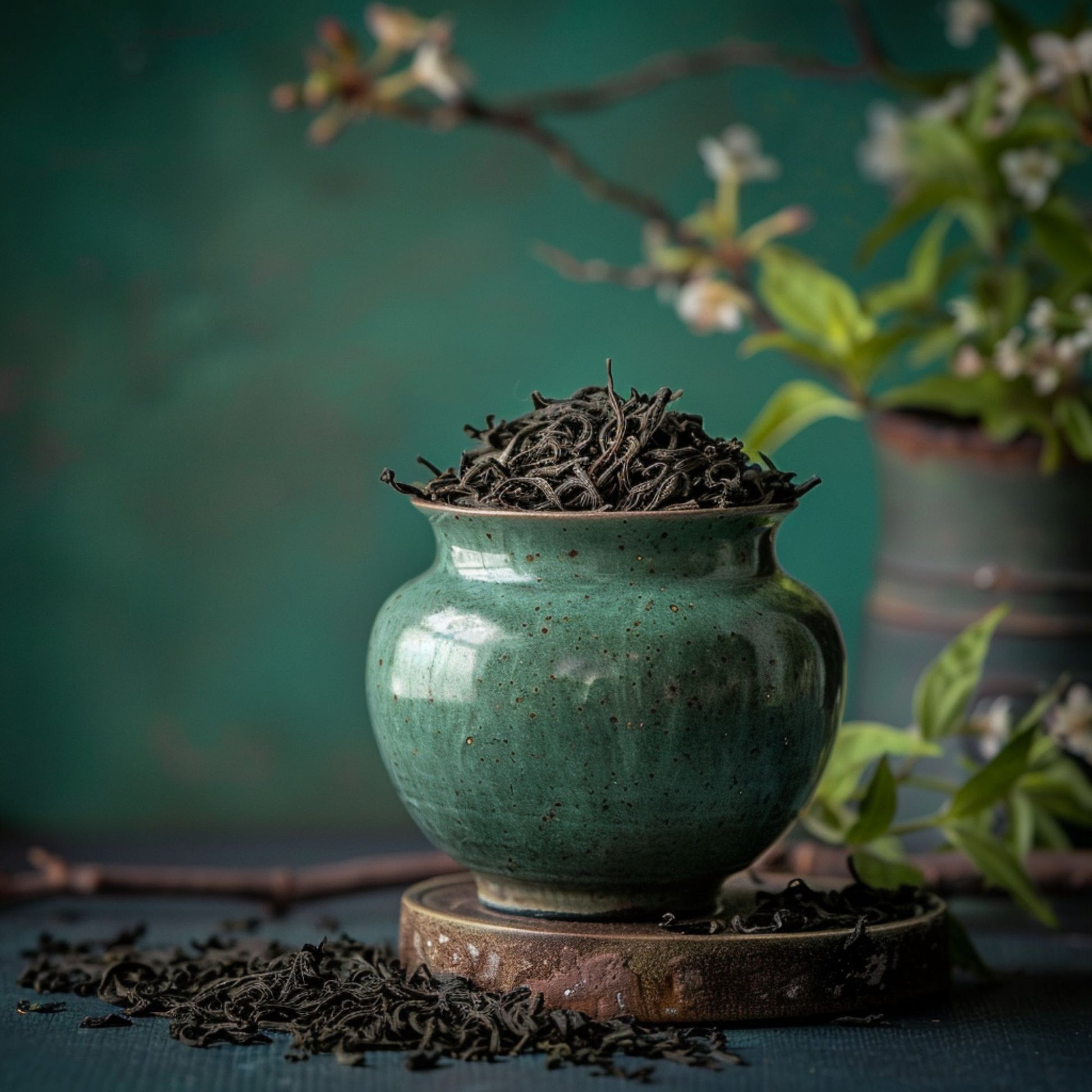
Black Tea leaf aromatic oil with floral, woody, sweet and herbaceous middle-note facets.
Couldn't load pickup availability
Botanical Name: Camellia Sinensis.
Family Name: Theaceae.
Common Name: Black Tea.
INCI: Camellia sinensis (Black Tea) leaves Oil.
Extraction Method: Steam distilled.
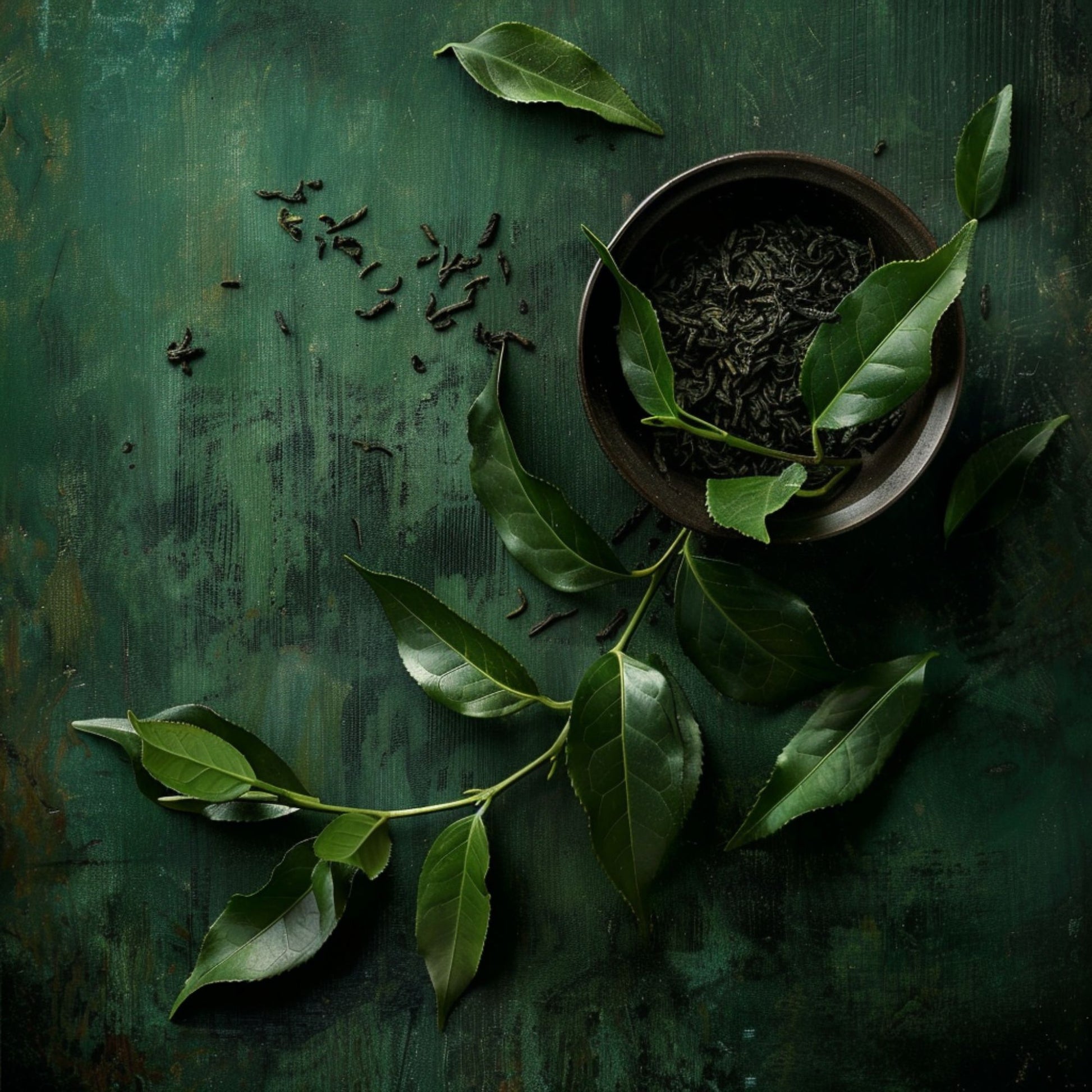
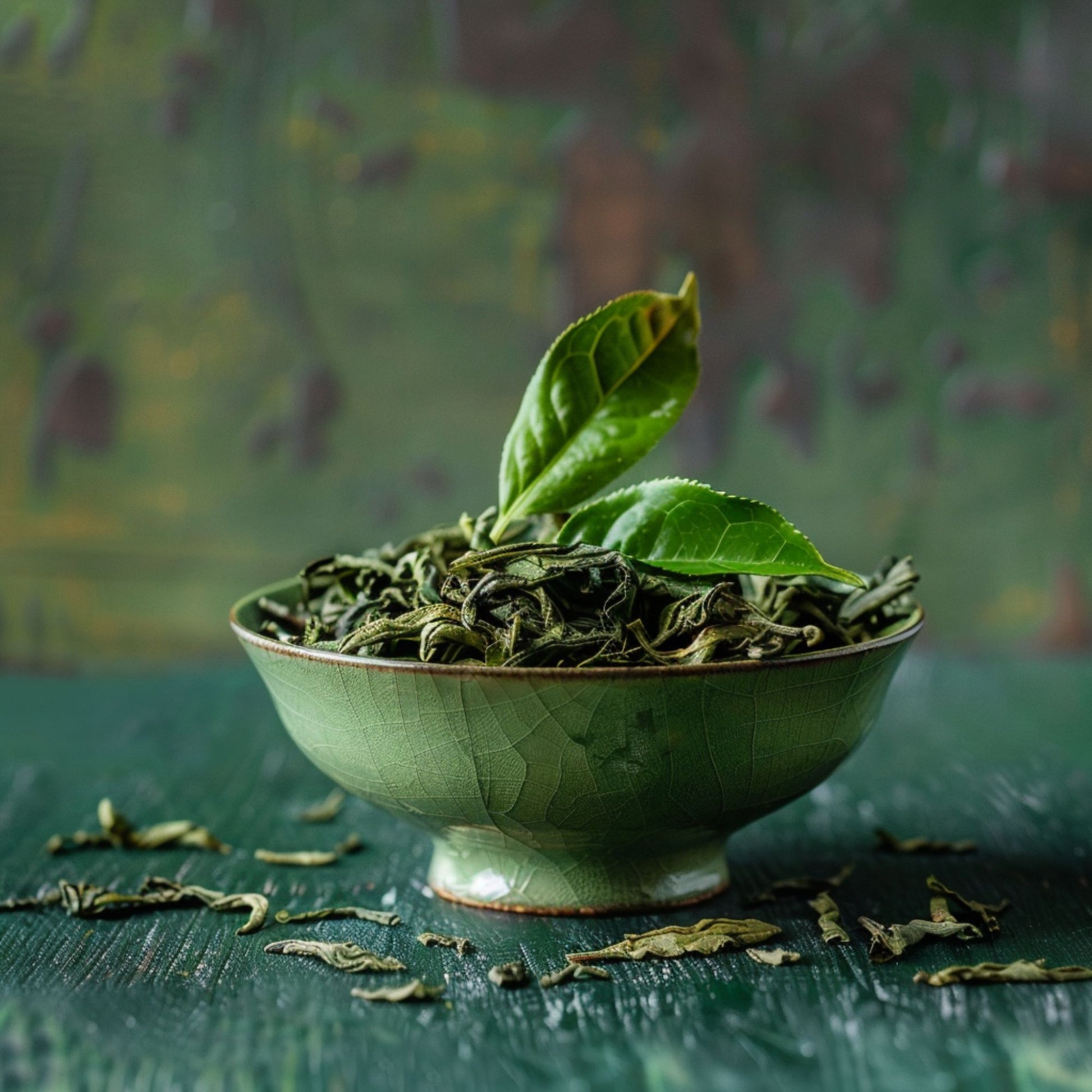
Parts Used: Leaves.
Note: Middle note.
Odor: Exceptionally floral aroma, floral woody, sweet, herbaceous.
Appearance: Light Yellow. Soluble: Alcohol, oils and butters.
Country of Origin: Sri Lanka.
Percentage of uses: 1-10% Maximum.
Properties for the skin care:
-Premature aging
-Fine lines & wrinkles
-Signing
-Anti-glycation
-Antioxidants
-Hydration/Dry skin
-Collagen support
-Cellulite
-Anti-inflammatory
-Brightness
-Barrier function repair
-Conditioning
-Brightening
-Hyperpigmentation concerns
-Environmental damage
-Exfoliation
-Wound repair
-Scarring
-Sebum production
Properties for Hair Care:
-Conditioning
-Growth
-Scalp care
-Anti-inflammatory
-Barrier function repair
Black tea is very rich in catechins, which gives it its antioxidant properties, which act against cell aging, improves the quality of the skin and prevents the formation of wrinkles in advance. Catechins or Epigallocatechin Gallate (EGCG) are present in white, green and black tea and help in the functioning of the immune system, in allergic and inflammatory processes. In Aromatherapy it has a relaxing and calming power.
Recent studies on the essential oil of Black Tea encapsulated in chitosan nanoparticles discovered antineoplastic activity in the treated tumor cells. More information: https://pubmed.ncbi.nlm.nih.gov/34280444/
Not for use during pregnancy, with the elderly, infants, or if epileptic. Possible skin irritant in some individuals; dilute well.
General Safety Information: Do not take any oils internally and do not apply undiluted essential oils, onto the skin without advanced essential oil knowledge or consultation from a qualified aromatherapy practitioner. If you are pregnant, epileptic, have liver damage, have cancer, or have any other medical problem, use oils only under the proper guidance of a qualified aromatherapy practitioner. Use extreme caution when using oils with children. Consult a qualified aromatherapy practitioner before using oils with children, the elderly, if you have medical issues or are taking medications.
Specifications
- Botanical name: Camellia sinensis (L.) Kuntze.
- Family: Theaceae.
- Common name: Black Tea.
- Supplier-listed INCI: Camellia Sinensis (Black Tea) Leaf Oil — confirm exact regulatory nomenclature.
- Plant part: Leaves.
- Extraction method: Steam distilled, according to the description.
- Perfumery note: Middle.
- Appearance: Light yellow, according to the description.
- Solubility: Supplier states soluble in alcohol, oils and butters.
- Country of origin: Sri Lanka, according to the description.
- Supplier use range: 1–10% maximum; not treated as a validated safety limit.
Aromatic Profile
The supplier presents an unusual tea-derived aromatic profile with pronounced floral character.
- Primary character: Floral.
- Secondary facets: Woody, sweet and herbaceous.
- Perfumery role: Middle note.
- Batch note: Confirm aroma, color, solubility and material identity against the current specification.
Composition & Quality Notes
Steam distillation would primarily collect volatile aroma compounds; it does not establish the presence of catechins or EGCG associated with non-volatile tea extracts. The study linked in the description concerns green tea essential oil in chitosan nanoparticles and experimental cell/mouse models, not this Black Tea oil or a consumer cosmetic.
- Request current GC–MS, COA, SDS, allergen and production-method documentation.
- Do not transfer catechin, collagen, anti-glycation, anticancer or other tea-extract claims to the volatile oil without direct evidence.
- Treat the 1–10% range as unverified until a category-specific safety assessment supports it.
Applications
Perfumery and Aromatic Products
- For floral tea, woody, sweet and herbaceous accords.
- Use as a middle-note material after confirming identity, solubility and odor strength.
Skin and Hair Formulation
- May be evaluated only at a properly assessed level supported by supplier documentation.
- Do not use anti-aging, collagen, pigmentation, wound, hair-growth or anticancer claims without finished-product evidence.
- Run stability, compatibility and sensory testing in the final formula.
Safety & Handling
- Do not apply undiluted and do not ingest.
- Patch test the finished topical product.
- Review current GC–MS, COA, SDS, allergen information and applicable IFRA guidance before setting a use level.
- The stated 1–10% maximum is not a substitute for a category-specific safety assessment.
- Use extra caution for pregnancy, children, older adults, sensitive users, medical conditions and medication use.
- Store tightly closed in a cool, dark place and protect from heat and oxidation.
Share
The information presented here is for educating our customers about the traditional uses of essential oils and is not intended to diagnose, treat, cure, or prevent any disease. You are responsible for understanding the safe application of these products.