Skip to product information
1 of 4

Botanica Gaia

Blue Tansy Essential Oil – Tanacetum annuum | 100% Organic & High-Chamazulene (9.2%) | Premium Therapeutic & Skincare Grade

Blue Tansy Essential Oil – Tanacetum annuum | 100% Organic & High-Chamazulene (9.2%) | Premium Therapeutic & Skincare Grade

Moroccan blue tansy oil · Sweet-green, herbaceous and camphoraceous

Regular price $14.99 USD
Regular price Sale price $14.99 USD
Sale Sold out
Taxes included. Shipping calculated at checkout.
Size
Quantity
✔100% Pure & Organic Tanacetum annuum

✔ High-Chamazulene: 9.2% (deep blue color)

✔ Premium Therapeutic & Skincare Grade

✔ Ideal for acne-prone, inflamed & sensitive skin

✔ GC–MS & COA available

✔ Ethically sourced from Morocco


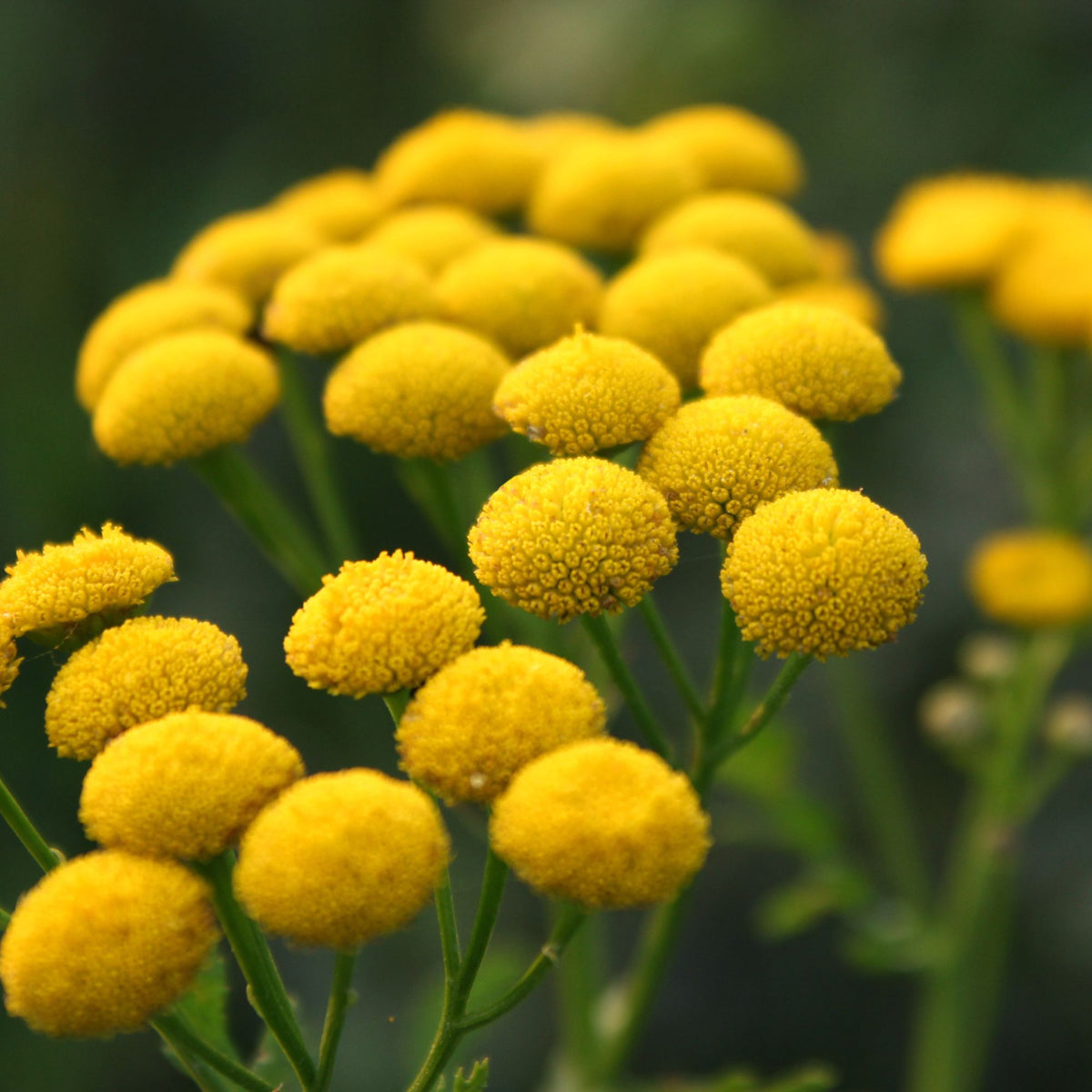
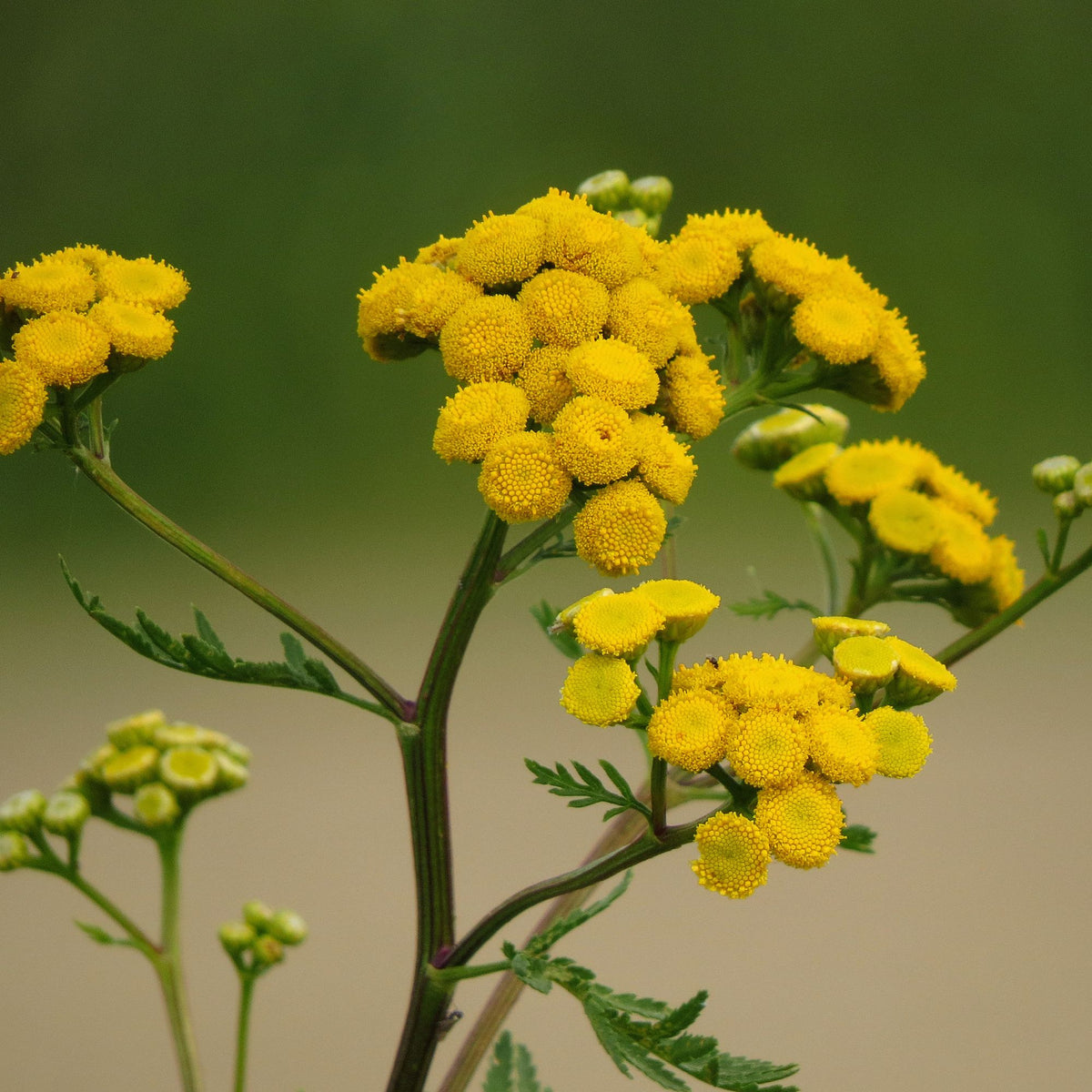
Blue Tansy is one of the most prized essential oils in modern skincare and aromatherapy. Its deep sapphire-blue color and exceptional concentration of chamazulene (9.2%) give it powerful soothing, anti-inflammatory and skin-balancing benefits. Harvested from the flowering tops of Moroccan Tanacetum annuum and steam-distilled at low temperature, this oil delivers a warm, herbaceous, sweet-green aroma that instantly calms both the skin and the senses.

Botanical Name: Tanacetum Annuum.
Family Name: Asteraceae.
Common Name: Moroccan Chamomile, Moroccan Blue Chamomile, Moroccan tansy, blue tansy.
INCI: Tanacetum Annuum (Blue Tansy) flowers oil.
Extraction Method: Steam distilled.
Parts Used: Flowering tops.
Note: Top to middle note.
Odor: Warm, herbaceous, sweet-green with soft camphor notes; woody-herbaceous drydown. 
Appearance: Deep Dark Blue.
Oil Composition: Chamazulene, B-Myrcene, Camphor, Sabinene, B-Eudesmol, 3,6-Dihydrochamazulene, B-Pinene, a-Phellandrene.
Country of Origin: Morocco. 

Skin Benefits 

Blue Tansy is renowned for its anti-inflammatory, anti-redness and skin-calming properties, making it one of the most effective essential oils for:

- Acne-prone skin
Irritated or inflamed skin
Redness and sensitivity
Heat and reactive skin
Clogged pores / congestion

Chamazulene gives the oil its signature blue color and contributes to its strong antioxidant and soothing capacity, while Sabinene and camphor add purifying, antibacterial and balancing properties.


Aromatherapy Benefits: 

In aromatherapy, Blue Tansy is prized for its ability to:

- Calm emotional stress
- Reduce tension and anxious thoughts
- Promote a positive, uplifting mood
- Open the senses and refresh the mind

Its aroma is unique, comforting, and grounding.

Uses: 

For Skincare / Cosmetic Formulators

Ideal for:

- Serums
- Facial oils
- Balancing creams
- Gel moisturizers
- Spot treatments
- After-sun care

For Aromatherapy

- Diffusers
- Massage blends
- Stress-relief blends
- Sleep and relaxation formulas


Perfume Applications

- Adds a distinctive herbaceous-blue, resinous, slightly sweet top note.

Recommended Dilution: 

- Maximum dermal usage: 5%
- Always dilute in a carrier oil.

Blends Well With: 

Amyris, Angelica, Bergamot, Cedarwood, Cistus, Clary Sage, Frankincense, Geranium, Jasmine, Labdanum, Lavender, Lemon, Marjoram, Neroli, Palmarosa, Patchouli, Rose, Sandalwood, Ylang Ylang.


COA (PDF)

General Safety Information:

  • Do not take any oils internally and do not apply undiluted essential oils, onto the skin without advanced essential oil knowledge or consultation from a qualified aromatherapy practitioner.
  • Use extreme caution when using oils with children. Consult a qualified aromatherapy practitioner before using oils with children, the elderly, if you have medical issues or are taking medications.

Specifications

  • Trade botanical name: Tanacetum annuum L.
  • Current Kew treatment: Synonym of Vogtia annua (L.) Oberpr. & Sonboli
  • Family: Asteraceae
  • Common names: Blue tansy, Moroccan blue chamomile
  • Supplier-listed INCI: Tanacetum Annuum Flower Oil; confirm wording
  • Part used: Flowering tops
  • Extraction: Steam distillation
  • Appearance: Deep dark blue liquid
  • Country of origin: Morocco
  • Supplier-stated chamazulene: 9.2%; verify linked COA/GC–MS matches current batch
  • Perfumery note: Top to middle

Aromatic Profile

Warm herbaceous and sweet-green with soft camphoraceous facets and a woody-herbal drydown. Strong and best evaluated at low concentration.

Composition & Formulation

The client lists chamazulene, beta-myrcene, camphor, sabinene, beta-eudesmol, 3,6-dihydrochamazulene, beta-pinene and alpha-phellandrene.

  • Use current GC/MS to confirm constituents and 9.2% chamazulene.
  • Do not treat the listed 5% dermal value as a universal maximum.
  • Set final level from current IFRA, allergens, COA and SDS.
  • Evaluate colour, oxidation and odour impact.

Applications

  • Natural perfumery and herbaceous-blue accords
  • Facial oils, serums, balms and creams after safety assessment
  • Aromatherapy-style blends
  • Massage and body oils after category review

Formulation Direction

Pairs with woods, resins, citrus, lavender, clary sage, geranium, frankincense, patchouli, rose and sandalwood.

Safety & Handling

  • For external use only; do not ingest or apply the concentrated material undiluted.
  • Patch test the finished formulation.
  • Obtain the current COA, SDS, GC/MS, allergen statement and applicable IFRA information.
  • Set the final concentration from the intended end use and the most restrictive relevant safety limit.
  • Avoid contact with eyes and mucous membranes; store tightly closed and protected from heat, light and air.
  • Do not make therapeutic or disease-treatment claims without suitable evidence.
  • Verify the linked COA/GC–MS belongs to the current batch before retaining 9.2%.
  • Avoid acne-treatment, antibacterial, sleep or anxiety claims without evidence.
View full details

The information presented here is for educating our customers about the traditional uses of essential oils and is not intended to diagnose, treat, cure, or prevent any disease. You are responsible for understanding the safe application of these products.