Skip to product information
1 of 3

Botanica Gaia

Botanica Gaia 100% Organic and Pure Hiba Cedarwood Essential Oil | Thujopsis Dolabrata | For Skin Care, Perfume and incense

Botanica Gaia 100% Organic and Pure Hiba Cedarwood Essential Oil | Thujopsis Dolabrata | For Skin Care, Perfume and incense

Japanese hiba wood oil with a distinctive smoky, woody cedar-like profile for fragrance, incense and aromatic use.

Regular price $15.99 USD
Regular price Sale price $15.99 USD
Sale Sold out
Taxes included. Shipping calculated at checkout.
Size
Quantity

Botanical Name: Thujopsis Dolabrata.
Family Name: Cupressaceae.
Common Name: Hiba Cerdawood, Japanese Cerdawood, Asnaro Wood., Aomori.
INCI: Thujopsis Dolabrata wood Oil.
Extraction Method: Steam distilled.
Parts Used: Wood.
Note: Top to middle note.
Odor: Woody, Smoke and undertone cerdarwood. 
Appearance: Yellow.
Country of Origin: Japan.
Blends: Agarwood, Amyris, Benzoin, Bergamot and most Citrus oils, Black Currant Bud, Black Pepper, Cedarwood, Chamomile (Blue), Champaca, Citronella, Cypress, Fir, Frankincense, Galbanum, Geranium, Grapefruit, Jasmine, Juniper, Lavandin, Lemon, Lime, Niaouli, Oakmoss, Orange (Sweet), Patchouli, Pink Peppercorn, Peppermint, Pine, Rose, Rosemary ct cineole, Sandalwood, Spearmint, Tea Tree, Thyme, Vetiver, Wintergreen, Yarrow.

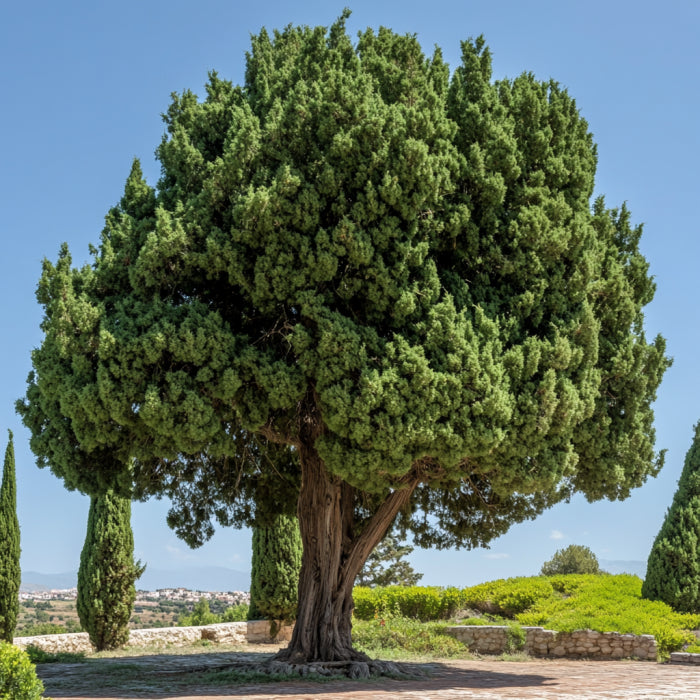
The Hiba Cedar is native and is only found in Japan, where it has always been considered a precious wood.
The wood has been widely used in the construction of temples dedicated to Zionism. The barrels where Sake is cured are made of Hiba wood.

It is the only member of the Thujopsis family and has very unique components that give it excellent properties.

Properties:
-Antifungal.
-Anti-inflammatory:
-Antibacterial.
-Skin soothing: It is used to treat eczema, psoriasis and acne.
-Relaxing: It relieves stress, creates a balanced and serene mood.
-It promotes deep skin cleansing, eliminates bacteria and is effective with boils. It must be mixed with a carrier oil.

Constituents in higher percentage:

-Thujopsene: 60%
-Cedrol: 8%
-Beta-Dolabrine: 2%
-Citronellic Acid: 2%
-Honokitol Beta-Thujaplicin: 2%

Constituents in percentages less than 1%:

-p-Cymene
-Dihydrocymene
-Widdrol
-Cuparene
-Alpha-Cuparene
-Gamma-Cuparene
-Alpha-Thujaplicin
-Terpinolene
-4-Terpineol
-Beta-Dolabrine
-l-Rhodinic Acid
-Carvacrol

Some studies carried out with Hiba Cedarwood:

https://www.researchgate.net/publication/303892927_Anti-cancer_Effect_in_Volatile_Components_of_Hiba_Essential_Oil_Thujopsis_dolabrata

https://www.researchgate.net/publication/221682205_Antifungal_properties_of_Japanese_cedar_essential_oil_from_waste_wood_chips_made_from_used_sake_barrels

General Safety Information: Do not take any oils internally and do not apply undiluted essential oils, onto the skin without advanced essential oil knowledge or consultation from a qualified aromatherapy practitioner. If you are pregnant, epileptic, have liver damage, have cancer, or have any other medical problem, use oils only under the proper guidance of a qualified aromatherapy practitioner. Use extreme caution when using oils with children. Consult a qualified aromatherapy practitioner before using oils with children, the elderly, if you have medical issues or are taking medications.

Specifications of Hiba Wood Essential Oil

  • Botanical name: Thujopsis dolabrata
  • Family: Cupressaceae
  • Common names: Hiba, Aomori hiba, Japanese hiba
  • INCI as supplied: Thujopsis Dolabrata Wood Oil
  • Extraction method: Steam distilled
  • Part used: Wood
  • Note: Top to middle
  • Odor: Woody, smoky and cedar-like
  • Appearance: Yellow
  • Country of origin: Japan
  • Botanical note: Hiba is a cupressaceous conifer, not a true Cedrus cedar

Aromatic Profile

A dry Japanese wood aroma with smoke and a cedar-like undertone. It can create a temple-wood, forest and incense impression while retaining enough lift to influence the opening and heart.

Blending Direction

  • Pairs with citrus, conifers, resins, woods, patchouli, vetiver, aromatic herbs and cool minty notes.
  • Useful in woody, smoky, forest, incense and meditative compositions.
  • Evaluate slowly because the woody character can be persistent.

Formulation & Usage

Research on hiba wood oil identifies thujopsene, cedrol and hinokitiol among characteristic constituents. Exact percentages depend on the material and method and must be verified for the current batch.

Perfumery & Incense

  • Use to add dry wood, smoke and Japanese-forest character.
  • Suitable for incense accords, woody hearts and atmospheric room fragrance.

Topical Formulation

  • Use only after reviewing the batch COA, SDS and GC-MS.
  • Dilute before topical use and follow current IFRA guidance.
  • Do not rely on in-vitro constituent studies as proof of cosmetic or medical efficacy.

Applications

Perfumery

For woody, smoky, forest, temple and incense-inspired compositions.

Incense & Home Fragrance

For meditative, resinous-wood and Japanese-forest aromatic concepts.

Personal Care

As a fragrance ingredient in professionally diluted skincare products after batch-specific safety review.

Aromatherapy

For calm, balanced and serene aromatic experiences without therapeutic claims.

Safety

  • For external use only; do not ingest.
  • Do not apply undiluted.
  • Review the batch COA, SDS and GC-MS before formulation.
  • Follow current IFRA guidance for the intended product category.
  • Patch test the finished formulation.
  • Avoid making medical claims from isolated-compound or laboratory studies.
  • Seek qualified advice for pregnancy, children, the elderly, medical conditions or medication.
View full details

The information presented here is for educating our customers about the traditional uses of essential oils and is not intended to diagnose, treat, cure, or prevent any disease. You are responsible for understanding the safe application of these products.