
Botanica Gaia
Botanica Gaia 100% Bio Valerian Root Essential Oil | Valeriana Officinalis | For Aromatherapy
Botanica Gaia 100% Bio Valerian Root Essential Oil | Valeriana Officinalis | For Aromatherapy
Valerian Root essential oil with a deep earthy, woody and musky base-note profile.
Couldn't load pickup availability
Bio Valerian Root Essential Oil
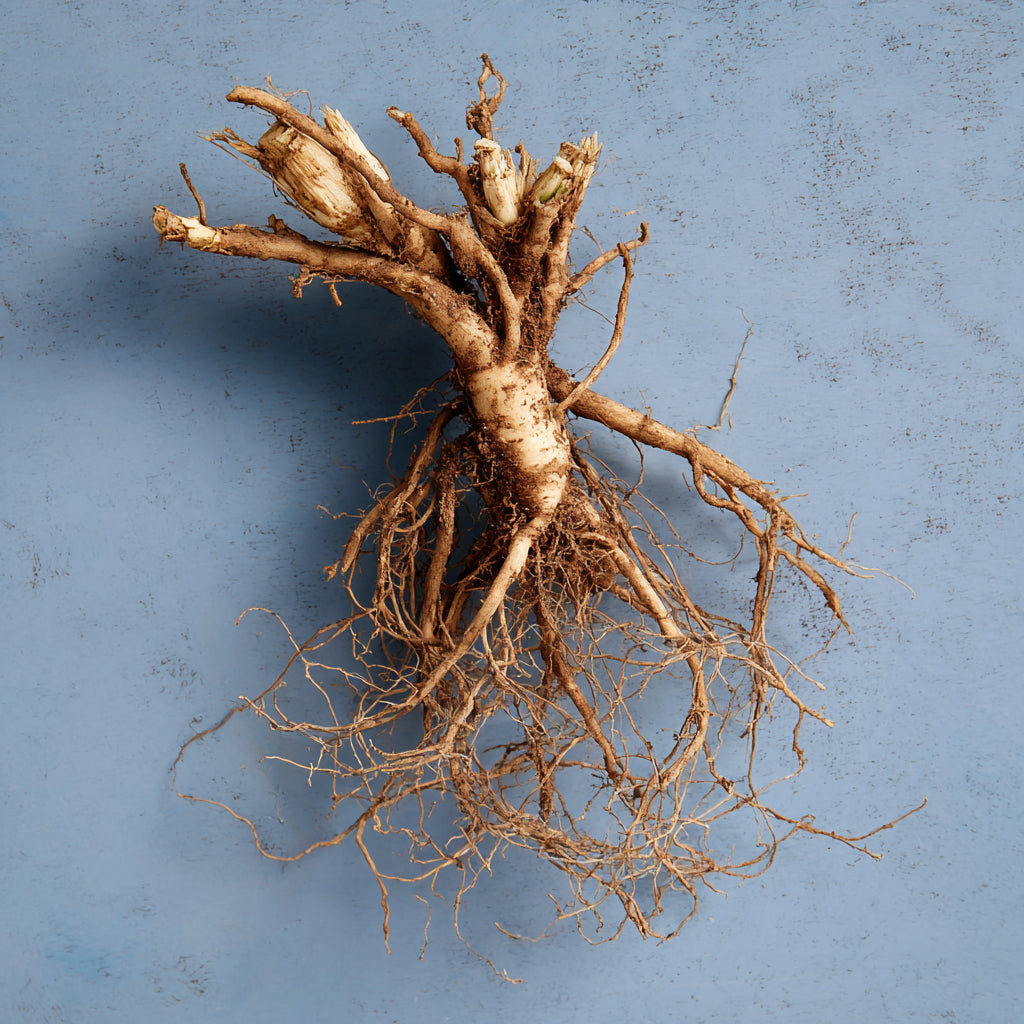
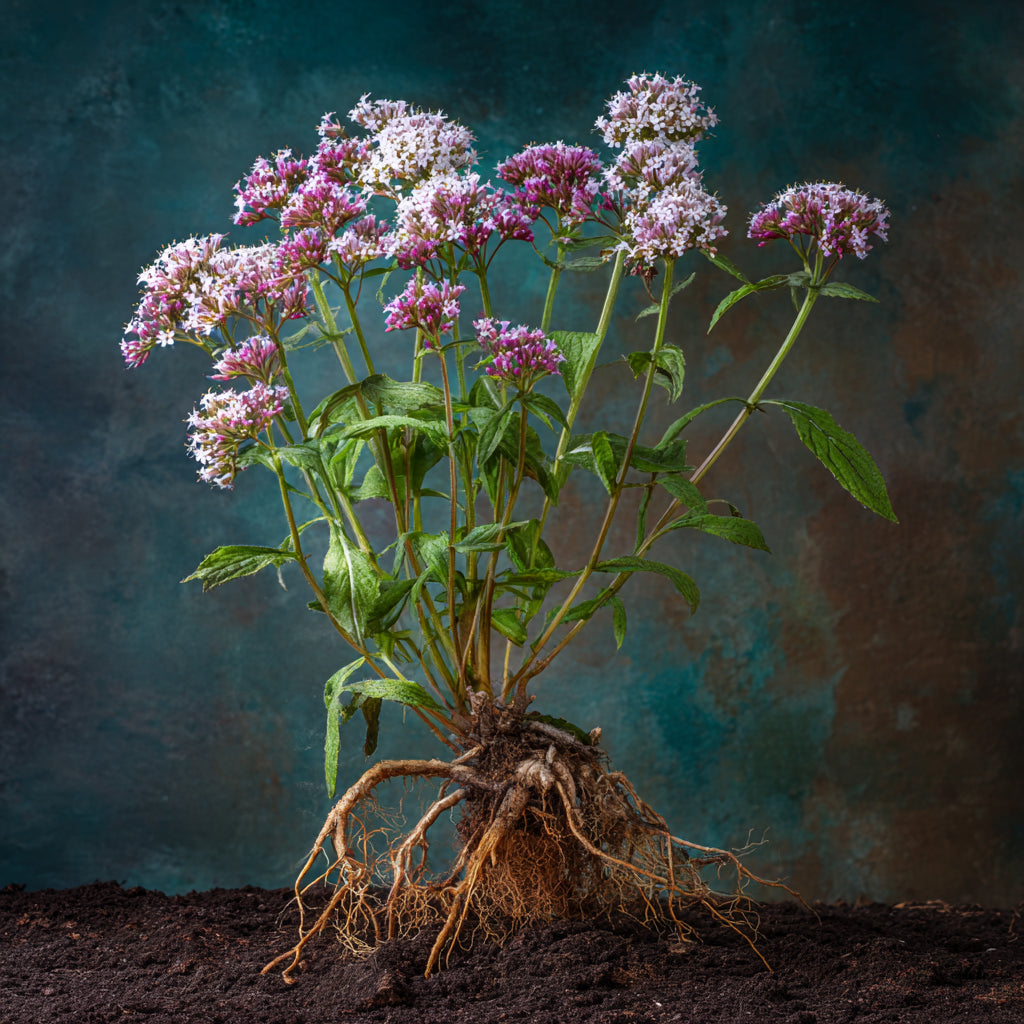
A steam-distilled essential oil obtained from roots of Valeriana officinalis L.
Its aromatic profile is earthy, deep woody, rich, musky and woody aroma.
At a Glance
- Botanical name: Valeriana Officinalis
- Common name: Common Valerian, Aphotecary Valerian, Medicinal Valerian
- Plant part: Roots
- Extraction: Steam distilled
- Country of origin: China
Specifications
- Botanical name: Valeriana officinalis L.
- Family: Caprifoliaceae.
- Common names: Common Valerian; Apothecary Valerian; Medicinal Valerian.
- Plant part: Roots.
- Extraction method: Steam distilled.
- Perfumery note: Base.
Aromatic Profile
A powerful, tenacious root aroma intended for low-level use in deep botanical compositions.
- Primary character: Earthy and woody.
- Secondary facets: Musky, rich and deep.
- Perfumery role: Base note.
Composition & Formulation
A concentrated steam-distilled essential oil from roots of Valeriana Officinalis.
Technical Details
- INCI: Valeriana Officinalis Root Oil
- Extraction: Steam distilled
- Plant part: Roots
- Appearance: Amber
Formulation Notes
- Use in diluted aromatic formulations
- Introduce gradually when building the finished aroma
- Store tightly closed and protected from heat, light and air
Applications
Natural Perfumery
- Perfume oils and fragrance compositions that feature this material’s distinctive aromatic profile
- Use as a base note in perfume oils and solid fragrances
- Blends with Balsam Copaiba, Balsam of Peru, Bergamot and other Citrus oils, Black Pepper, Cardamom, Cedarwood
Aromatic Products
- Diffuser and room-aroma blends
- Atmospheric and incense-inspired compositions
Safety & Handling
- Patch test the finished topical product.
- People using sedative or antidepressant medication, or with medical conditions, should seek qualified professional advice before exposure.
- Store tightly closed in a cool, dark place away from heat and heat and flames.
Professional purchasing
Need a larger quantity, documentation or sourcing support?
Share
The information presented here is for educating our customers about the traditional uses of essential oils and is not intended to diagnose, treat, cure, or prevent any disease. You are responsible for understanding the safe application of these products.