Skip to product information
1 of 4

Botanica Gaia

Botanica Gaia Bio Sweet Lime Essential Oil | Citrus Limetta Risso | For Aromatherapy, Skincare and Perfume

Botanica Gaia Bio Sweet Lime Essential Oil | Citrus Limetta Risso | For Aromatherapy, Skincare and Perfume

Premium Sweet Lime Essential Oil from Australia. Ideal for skincare, Perfumery and natural aromatherapy

Regular price $14.99 USD
Regular price Sale price $14.99 USD
Sale Sold out
Tax included. Shipping calculated at checkout.
Size
Botanical Name: Citrus Limetta Risso. 
Family Name: Rutaceae.
Common Name: 
INCI: Citrus Limetta Risso (Sweet Lime) Peels Oil.
Extraction Method: Cold Pressed.
Plant Used: Peels.
Odor: Light, Citrus, Sweet, Green.
Note: Top note.
Appearance: Pale Yellow.
Country of Origin: Australia.


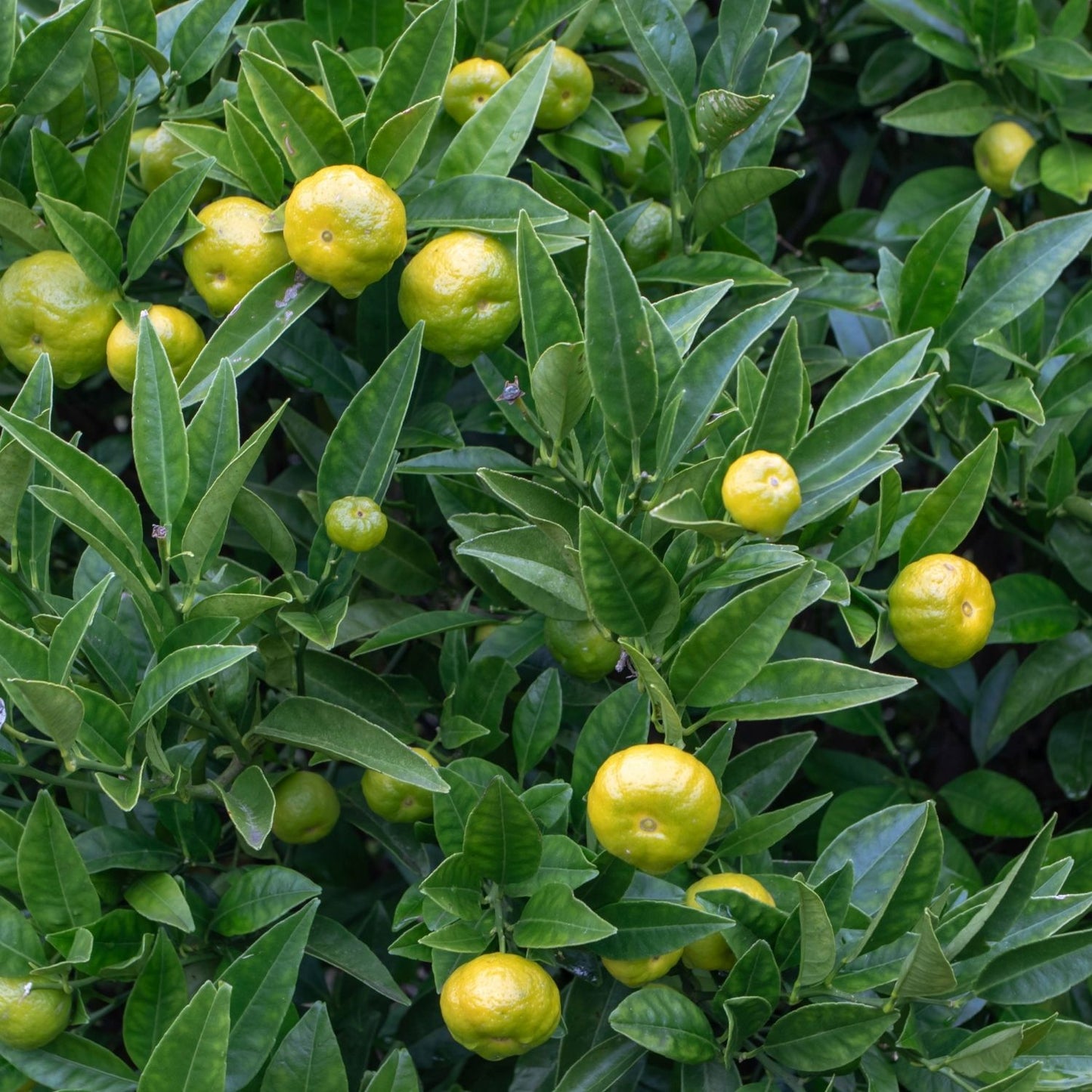
Sweet lime (also called limetta, mosambi, or sweet lemon in some regions) is a hybrid citrus species, traditionally believed to derive from crosses of citron and bitter orange. Its fruit is soft, juicy, and mildly acidic, and the peel is the main source of the essential oil.

To obtain the essential oil, the peels (flavedo) are typically subjected to steam distillation, which tends to yield a cleaner, light-colored oil with fewer heavy, undesirable compounds compared to solvent extracts. In the case of Citrus limetta, steam distillation has been shown to provide a favorable chemical profile. Some studies also compare hexane extraction, which can capture more compounds (including waxes, pigments) but reduce purity. 

In compositional studies, about 46 volatile compounds have been identified in sweet lime essential oil, with the major constituents being d-limonene, β-pinene, bergamol, and linalool in various proportions depending on the maturity of the fruit and the extraction method. In one report, at a certain maturity stage, d-limonene accounted for ~74.4 % of the oil, bergamol ~8.23 %, and β-pinene ~7.62 %. 

Thus, as with many citrus essential oils, monoterpene hydrocarbons dominate the profile, giving sweet lime essential oil its fresh, zingy, citrus character.


Aroma and Olfactory Profile: 

Sweet lime essential oil exudes a light, fresh, zesty citrus aroma, with hints of green and soft sweetness. Its fragrance is less sharp or sour than lime or lemon, making it more gentle and smooth on the senses. Some describe it as a “margarita in a bottle” — bright, fun, juicy — with a soft floral undertone. Its texture is thin (low viscosity), which helps in blending and diffusion.

The aroma evokes sunlight, cheer, and upliftment. It is well suited to use in blends with florals, woods, or lighter citrus oils — for example, it mixes harmoniously with lavender, neroli, orange, grapefruit, rose, sandalwood, and more. 

Chemical Composition: 

Sweet lime essential oil (Citrus limetta / limetta) is an elegant, mild, and uplifting citrus essence. Dominated chemically by monoterpenes such as d-limonene, with contributions from β-pinene, bergamol, linalool, and others, it has a bright citrus-sweet, slightly green fragrance. 

Therapeutically, it offers anti-inflammatory, antimicrobial, antioxidant, and mood-uplifting benefits. In cosmetics, it is a refreshing top note, suited to light formulations, especially when used carefully to avoid photosensitivity. In an Australian or quality-conscious sourcing context, one can often find better purity and thoughtful supply.

Using it wisely — respecting its dilution, phototoxic potential, and combining it with complementary oils — allows you to harness its bright, sunny character in skincare, aromatherapy, and fragrance blends. If you'd like a version tailored for perfumery, skincare, or a usage guide with percentages, I can generate that as well.


Therapeutic Benefits: 

Sweet lime essential oil offers a series of useful properties, especially in topical or aromatic applications. Some of the key benefits and applications are:

1. Anti-inflammatory & Skin Soothing

In studies using the peel oil (Clp-EO) of Citrus limetta, researchers observed that the oil could suppress pro-inflammatory cytokines (TNF-α, IL-6, IL-1β) and reduce reactive oxygen species under stress conditions. When applied topically in controlled experiments, it mitigated induced inflammation in skin models (e.g. reduced ear swelling in mice) without evident toxicity. This suggests potential for use in formulations aimed at calming irritated or inflamed skin.

2. Antimicrobial & Antioxidant Support

Because it is rich in limonene and related monoterpenes, sweet lime oil has antimicrobial activity, particularly against gram-positive bacteria. The antioxidant effect helps mitigate oxidative stress on the skin and can support formulations against environmental damage.

3. Mood Lifting, Uplifting, Energizing

Its bright citrus aroma is psychologically uplifting, helping to reduce fatigue, lift mood, and promote clarity. It is useful in diffusers, inhalers, or as a top note in perfumery.

4. Digestive & Internal Uses (with Caution)

Some traditions and suppliers suggest that limetta may support digestion when properly diluted or in edibles (if food grade). However, any internal use of essential oils should be approached with caution, under expert guidance, and with knowledge of safety limits.

5. Cosmetic Use & Skin Brightening

Its lighter citrus nature means it can be incorporated into facial toners, light body oils, and cleansers (in small, safe dilutions). Some formulations use it to help with uneven skin tone or as a fresh top note scent. It’s especially useful in blends aimed at oily, combination, or normal skin types, where heavy or rich oils are less welcome.

Safety, Contraindications & Stability

Photosensitivity / Phototoxicity: Like many citrus peel oils, sweet lime oil can increase sensitivity to sunlight. It is generally not recommended to use it in leave-on products for sun-exposed skin (e.g. sunscreens, tanning creams). It should be used at safe, low dilution levels when skin exposure to light is possible.

Irritation: Some skin users may experience irritation or sensitization, especially those with sensitive skin. A patch test is always advisable before widespread topical use.

Dilution & Use Levels: Use modest dilutions (commonly 0.5-2 %) in topical formulas, especially for the face. Use in blends or rinse-off formulas to reduce risk.

Storage & Stability: As with all citrus essential oils, sweet lime oil is relatively volatile and sensitive to heat, light, and oxygen. It should be stored in dark glass bottles, away from direct sunlight, in cool conditions. Over time, the aroma may fade or the fragrance profile shift slightly.


Safety Guidelines: 

-Always patch test before topical use.
-Use in dilutions no greater than 2% in leave-on skin care.
-Use Amber, Cobalt or Miron violet glass bottles to protect from light degradation.
-Avoid ingestion unless under expert supervision.
-Pregnancy, young children, or sensitive skin users should consult a qualified practitioner.


All images are designed by Botanica Gaia, copyright by Botanica Gaia. 


View full details

The information presented here is for educating our customers about the traditional uses of essential oils and is not intended to diagnose, treat, cure, or prevent any disease. You are responsible for understanding the safe application of these products.