Skip to product information
1 of 3

Botanica Gaia

Botanica Gaia Eucalyptus Kochii Essential Oil | Eucalyptus Kochii | For Aromatherapy, Skincare and Perfume

Botanica Gaia Eucalyptus Kochii Essential Oil | Eucalyptus Kochii | For Aromatherapy, Skincare and Perfume

Eucalyptus kochii Essential Oil – Aromatherapy, Cosmetic, and Perfumery Uses | Sustainable Australian Oil

Regular price $12.99 USD
Regular price Sale price $12.99 USD
Sale Sold out
Tax included. Shipping calculated at checkout.
Size

Botanical Name: Eucalyptus Kochii. 
Family Name: Myrtaceae.
Common Name: Eucalyptus Kochii, Oil Mallee, Koch's, Western Australian Oil Mallee, High Cineole Eucalyptus, Mallee Eucalyptus. 
INCI: Eucalyptus Kochii leaves Oil.
Extraction Method: Steam Distilled. 
Plant Used: Leaves. 
Odor: Fresh, herbaceous aroma, herbal and woody. 
Note: Middle to top note.
Appearance: Pale Yellow.
Country of Origin: Australia.

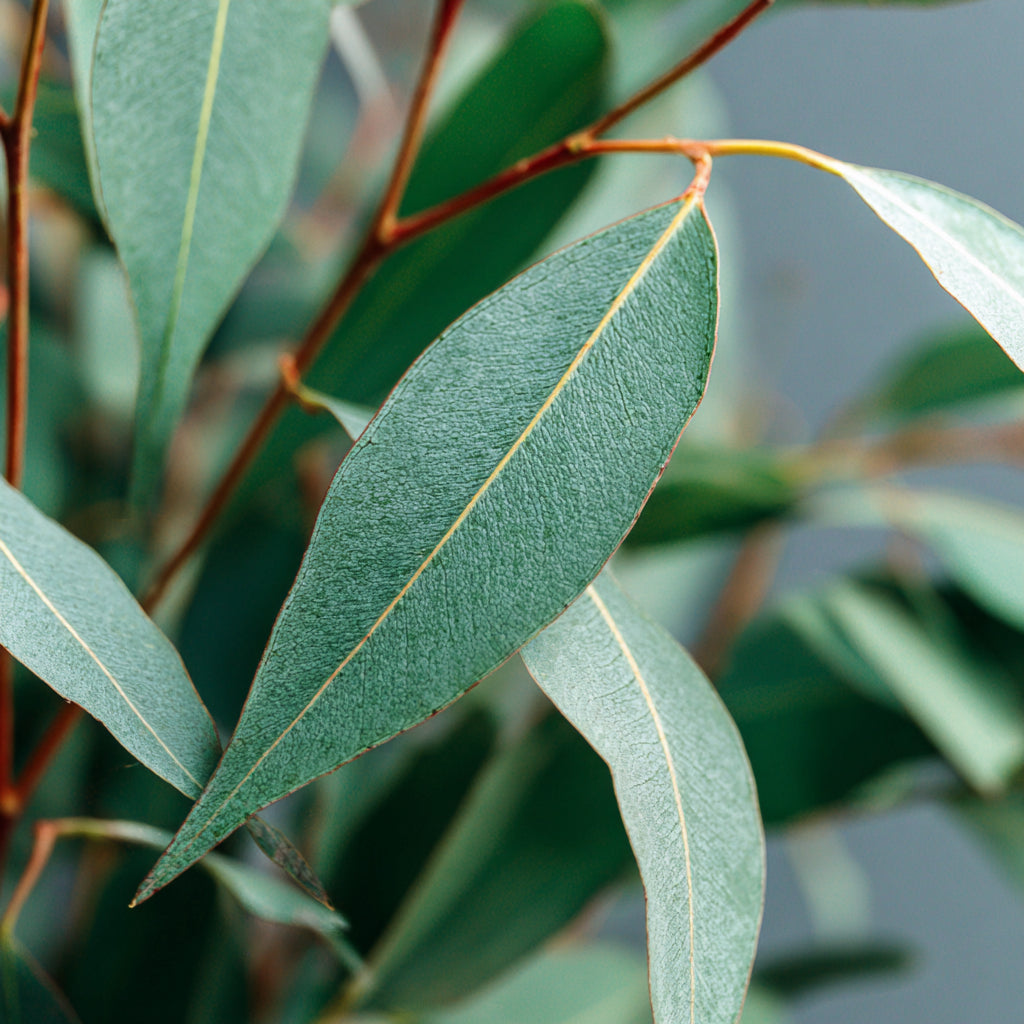
Eucalyptus kochii essential oil is one of Australia’s most powerful and aromatic natural distillates — a brilliant, high-eucalyptol oil renowned for its exceptional purity, invigorating scent, and strong antimicrobial potency. Steam-distilled from the leaves and twigs of the Western Australian Eucalyptus kochii tree, this essential oil embodies the wild heart of the Australian landscape: dry, sunlit, and filled with aromatic resilience. It is considered among the most valuable species of eucalyptus for therapeutic, cosmetic, and industrial use, thanks to its remarkably high concentration of 1,8-cineole (often exceeding 85%).

Eucalyptus kochii, commonly known as Oil Mallee, is a small to medium-sized mallee tree native to the semi-arid regions of Western Australia. It thrives in the golden wheatbelt and drier inland areas, where the soil is sandy and the climate is hot, with long periods of intense sun and minimal rainfall. These challenging conditions give rise to a tree rich in volatile compounds — nature’s own adaptation to heat and drought.

The Eucalyptus kochii species belongs to the Myrtaceae family and is closely related to Eucalyptus polybractea (Blue Mallee) and Eucalyptus globulus, though it is botanically distinct. It is a high-yielding oil tree, often cultivated specifically for essential oil production in Western Australia. Sustainable harvesting and replanting programs ensure that the oil industry based on E. kochii remains ecologically responsible and economically valuable to local communities.

 
The essential oil is obtained by steam distillation of freshly cut leaves and small branches. Distillers in Western Australia are recognized for their advanced, environmentally friendly methods, which use closed-loop systems and renewable heat sources.

The resulting oil is clear to pale yellow and highly fluid. It has a sharp, clean, and camphoraceous aroma with cool, penetrating top notes and subtle green, woody undertones. When inhaled, it gives an instant sense of clarity, cleanliness, and expansion — the scent of the Australian bush captured in a bottle.

Aroma and Olfactory Profile: 

Eucalyptus kochii essential oil is defined by its intense cineole-rich character. It opens with a strong medicinal freshness similar to Eucalyptus globulus, but smoother, sweeter, and more elegant. Unlike some eucalyptus species with harsh or smoky undertones, E. kochii has a refined, almost crystalline brightness that blends beautifully in aromatherapy and perfumery applications.

Aroma type: Fresh, camphoraceous, clean, minty, with a soft balsamic finish
Aromatic strength: High (very concentrated)
Note classification: Top to middle note

The overall scent can be described as a union of purity and strength — cooling yet vibrant, medicinal yet comforting — evoking the sensation of breathing deep in the clear air of the Australian desert morning.


Chemical Composition: 

The chemical composition of Eucalyptus kochii essential oil is remarkable for its high content of 1,8-cineole (Eucalyptol), which typically ranges from 85–95%, depending on subspecies and distillation conditions. Other notable constituents include:

α-Pinene (2–5%) – adds a crisp piney brightness and enhances respiratory benefits.

β-Pinene (1–3%) – contributes a green, forest-like nuance.

Limonene (1–2%) – lends a slight citrus freshness.

Terpinen-4-ol (0.3–0.5%) – provides mild antimicrobial and skin-healing properties.

α-Terpineol (0.5–1.5%) – adds floral sweetness and balances the sharper top notes.


This high cineole content gives Eucalyptus kochii one of the strongest antiseptic and expectorant profiles among all eucalyptus oils, even surpassing Eucalyptus globulus and Eucalyptus polybractea in purity and potency.

Therapeutic and Aromatherapeutic Benefits


1. Respiratory Relief and Decongestion

Eucalyptus kochii is prized for its ability to support the respiratory system. Inhalation of its vapor helps clear nasal passages, reduce sinus congestion, and ease breathing difficulties. It is commonly used in diffusers, steam inhalations, and natural vapor rubs. The high cineole content acts as a mucolytic and expectorant, helping to break up mucus and open airways.

2. Antimicrobial and Antiviral

The oil is strongly antibacterial, antiviral, and antifungal, making it a natural choice for cleaning blends, sanitizing sprays, and topical antiseptics. Laboratory analyses have shown E. kochii oil to be effective against a wide range of pathogens, including Staphylococcus aureus and Candida albicans. It is used in natural surface cleaners and air purifiers for its ability to eliminate airborne microbes and purify indoor spaces.

3. Anti-inflammatory and Pain Relief

When diluted and applied topically, Eucalyptus kochii can reduce inflammation and relieve muscular tension. It is frequently added to massage oils, sports balms, and arthritis blends for its cooling and analgesic effects. The synergistic action of cineole and pinene compounds helps stimulate blood flow and ease discomfort.

4. Mental Clarity and Emotional Uplift

The bright, expansive scent of Eucalyptus kochii helps clear the mind, increase alertness, and refresh concentration. It dispels fatigue, lethargy, and mental fog. In aromatherapy, it is considered a “cleansing” and “energizing” oil that helps create a sense of space and renewal.

5. Immune and Environmental Protection

Its antimicrobial power extends to environmental purification. A few drops diffused in air or added to household cleaning solutions can dramatically improve air quality, reduce airborne germs, and create a feeling of freshness and cleanliness.

Applications in Cosmetics and Perfumery

Though potent, Eucalyptus kochii oil can be used in low dilutions (typically 0.5–2%) in cosmetic formulations such as:

Cleansing toners and gels for oily or acne-prone skin

Soothing balms and chest rubs for respiratory comfort

Cooling foot creams or sprays

Herbal massage blends to relieve muscular tension


It pairs beautifully with other Australian native oils like Tea Tree (Melaleuca alternifolia), Lemon Myrtle, Kunzea, and Rosalina, as well as classic international oils like Lavender, Peppermint, Pine, and Rosemary.

Aromatherapy & Emotional Uses:

Eucalyptus kochii essential oil is among the most potent and refreshing of all eucalyptus species, prized in aromatherapy for its extraordinarily high 1,8-cineole (eucalyptol) content — typically above 85%. This makes it a powerful respiratory and cleansing oil with deep therapeutic value.

1. Respiratory Support and Clarity

Primary Use: Clearing the lungs, sinuses, and airways.

The high cineole concentration acts as a mucolytic and expectorant, helping to loosen mucus and relieve congestion.

Diffused in air, inhaled through steam, or used in chest rub blends, it brings fast relief for coughs, colds, sinusitis, asthma, and bronchial infections.

Its cooling, expansive aroma opens the breath and promotes mental alertness.

2. Immune and Environmental Purification

Acts as a natural antimicrobial and antiviral agent, reducing airborne pathogens and purifying spaces.

Ideal for diffusers during flu season or to cleanse enclosed environments such as offices and classrooms.

A few drops added to a spray bottle with water and alcohol create a natural disinfectant mist.

3. Mental and Emotional Uplift

The sharp, clean scent of E. kochii promotes clarity, energy, and concentration, helping to dispel fatigue, mental fog, or negativity.

Inhaled before study or work, it encourages focus and clear thinking.

Emotionally, it is associated with release — clearing “mental clutter” and refreshing the spirit.

4. Physical Relief and Recovery

When diluted in carrier oils (1–3%), Eucalyptus kochii is used for muscle tension, joint discomfort, and post-exercise soreness.

Its cooling, anti-inflammatory qualities make it a natural aid for massage blends, sports rubs, and recovery balms.

5. Energetic and Holistic Role

In subtle aromatherapy, E. kochii is linked to the throat and crown chakras, symbolizing purification, breath, and communication.

It clears energetic stagnation, invites clarity of thought, and fosters a sense of spaciousness — like inhaling the crisp air of the Australian outback.


Cosmetic Applications

Though strong, Eucalyptus kochii can be used in low concentrations in skincare and haircare products due to its antiseptic, balancing, and refreshing nature.

1. Skincare

At 0.5–1% dilution, it helps purify oily and acne-prone skin, reducing microbial buildup and inflammation.

Can be added to cleansers, toners, or facial gels to support clarity and freshness.

Combined with soothing oils like lavender, calendula, or chamomile, it balances its potency with gentleness.

2. Body and Wellness Care

Included in body oils, scrubs, and bath salts for its invigorating and cooling action.

Blends beautifully with carrier oils such as jojoba, meadowfoam, or sweet almond to create stimulating massage or post-workout blends.

Its natural antimicrobial effect also makes it suitable for foot creams and deodorizing sprays.

3. Hair and Scalp Treatments

A few drops in a shampoo or conditioner refreshes the scalp, reduces dandruff, and stimulates circulation.

Its cleansing power removes buildup, leaving hair lighter and cleaner.

4. Natural Cleansing Products

Perfect for natural soaps, hand sanitizers, and household cleansers due to its strong antibacterial and deodorizing properties.

Adds a crisp, clean aroma to eco-friendly cleaning formulations.

Formulation tip: Always use Eucalyptus kochii at very low percentages in facial or leave-on products to avoid irritation.

Perfumery Applications

In perfumery, Eucalyptus kochii brings brightness, lift, and air to compositions. It acts as a top note with remarkable longevity compared to other eucalyptuses, lending a clean and invigorating green dimension.

1. Olfactory Role:

Note family: Aromatic / camphoraceous / green

Olfactory position: Top to mid note

Character: Clear, medicinal, minty, with slightly woody nuances. 

2. Use in Blends:

Common in aromatic fougère, herbal colognes, woody chypres, and fresh citrus compositions.

Blends well with pine, rosemary, cedarwood, lavender, lemon, peppermint, neroli, and vetiver.

In natural perfumery, a small amount can “open” dense formulas, enhancing diffusion and freshness.

3. Fixative Role:

While volatile, it stabilizes blends by balancing heavy base notes such as benzoin, frankincense, or patchouli.

Adds transparency to earthy or resinous accords.

4. Artisanal and Functional Fragrance:

Excellent in botanical room sprays, linen mists, and wellness blends, imparting a feeling of purity and open air.


Sustainability and Provenance

Eucalyptus kochii oil is a true product of the Australian landscape, deeply connected to the ecology of the Western Australian mallee regions. Its production is a model of sustainable agroforestry and ethical distillation.

1. Sustainable Cultivation

Grown primarily in semi-arid zones of Western Australia where few other crops thrive.

The trees are cultivated on rotational systems, where only mature branches are harvested, allowing the mallee to naturally regenerate.

Many producers practice zero-waste distillation, using leftover biomass for mulch or bioenergy.

2. Environmental Benefits

Eucalyptus mallees, including E. kochii, help stabilize dry soils, reduce salinity, and improve biodiversity.

These plantations provide habitats for native wildlife and contribute to carbon sequestration.

3. Local Economic and Social Impact

The oil industry provides sustainable income for rural communities in Western Australia.

Distilleries are often family-run or cooperatively managed, ensuring fair labor practices and reinvestment into local ecosystems.

4. Traceability and Quality

Australian eucalyptus oils are renowned for their transparency, traceability, and purity.

Producers adhere to strict quality standards (such as ISO 4730 for cineole-type eucalyptus oils).

GC/MS testing is routinely performed to verify natural composition and ensure absence of adulteration.

5. Eco-Conscious Production

Many distillers now operate using solar-powered or energy-efficient steam systems.

Water used in distillation is recycled through condensation systems, reducing environmental impact.


Safety Guidelines: 

-Always patch test before topical use.
-Use in dilutions no greater than 2% in leave-on skin care.
-Use Amber, Cobalt or Miron violet glass bottles to protect from light degradation.
-Avoid ingestion unless under expert supervision.
-Pregnancy, young children, or sensitive skin users should consult a qualified practitioner.


All images are designed by Botanica Gaia, copyright by Botanica Gaia. 


View full details

The information presented here is for educating our customers about the traditional uses of essential oils and is not intended to diagnose, treat, cure, or prevent any disease. You are responsible for understanding the safe application of these products.