

Botanica Gaia
Bulk Wildcrafted Pom Copal Resin | Protium Copal
Bulk Wildcrafted Pom Copal Resin | Protium Copal
Premium Wildcrafted Pom Copal Resin — Natural Aromatic Resin for Artisan Incense, Botanical Perfumery & Cosmetic Ingredient Development
Couldn't load pickup availability
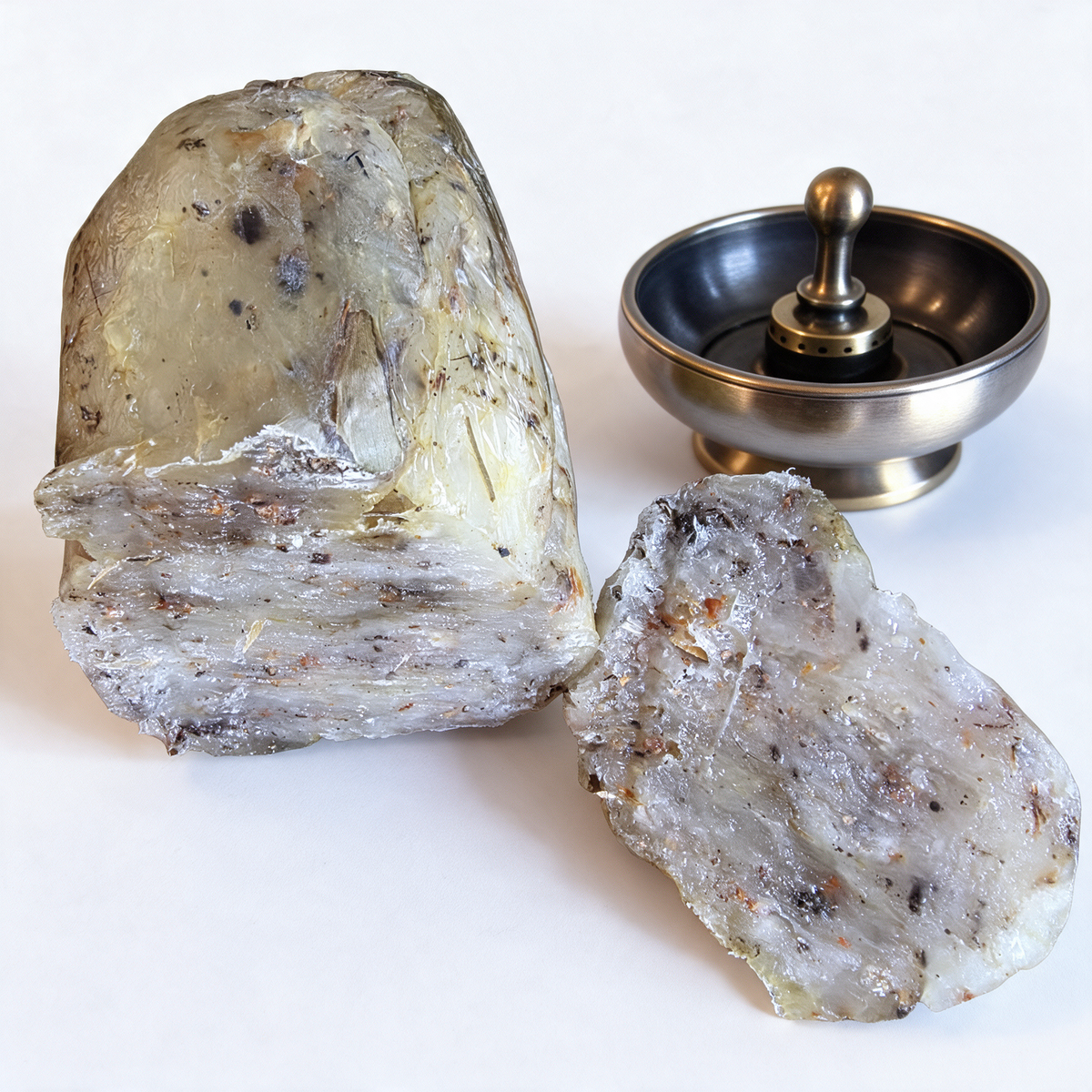
Bulk Wildcrafted Pom Copal Resin (Protium copal), a distinctive natural resin valued for its fresh, green, balsamic, woody, and subtly citrus-like fragrance.
Associated with traditional incense practices in Mesoamerica, Pom Copal offers a captivating aromatic experience that combines the brightness of fresh resin with warm, earthy, and softly sweet undertones.
This remarkable botanical material is an excellent choice for artisan incense makers, natural perfumers, fragrance developers, botanical extraction specialists, and manufacturers seeking distinctive aromatic raw materials.
Available through Botánica Gaia Wholesale & Bulk, our wildcrafted Pom Copal Resin is offered in commercial quantities for businesses developing handcrafted incense, natural fragrances, specialty botanical extracts, and other aromatic products.
Whether gently heated as traditional incense or professionally extracted for fragrance applications, Pom Copal brings a distinctive resinous character to botanical creations.
Specifications
- Product name: Wildcrafted Pom Copal Resin.
- Product type: Botanical resin.
- Botanical name: Protium Copal.
- Family: Burseraceae.
- Common name: Pom Copal.
- INCI: Boswellia Dalzielli Resin.
- Plant part: Resin.
- Country of origin: Guatemala.
Aroma Profile
Aroma Family: Resinous, Balsamic, Woody, Fresh
- Top Notes: Fresh, subtly citrus-like, green, and gently terpenic.
- Heart Notes: Resinous, warm, aromatic, and softly spicy.
- Base Notes: Woody, balsamic, earthy, and delicately incense-like.
Overall Aroma: A distinctive frankincense character combining fresh aromatic brightness with warm, resinous depth and a lingering woody-balsamic finish.
Artisan Incense & Aromatic Blends
Frankincense Dalzielii is suitable for traditional and contemporary incense applications.
Suggested uses include:
- Loose botanical incense blends
- Charcoal-heated resin incense
- Handcrafted incense cones and sticks
- Resin-based aromatic compositions
- Meditation and ceremonial incense preparations
Its aromatic character can be explored alongside myrrh, copal, benzoin, sandalwood, cedarwood, and other natural incense materials.
Skincare & Cosmetic Formulation
For cosmetic formulators, Boswellia dalzielii resin offers opportunities to explore resin-derived ingredients in botanical skincare development.
Potential applications include:
- Botanical balms and ointments
- Body care formulations
- Specialty cosmetic extracts
- Resin-inspired skincare products
- Aromatic cosmetic preparations
Important Formulation Note: Raw resin should not be added directly to finished skincare products without appropriate processing. Any resin-derived extract requires evaluation for solubility, purity, stability, skin compatibility, and suitable usage levels.
Appearance & Texture
- Color: Natural resin tones may range from pale golden and amber to deeper yellow-brown shades.
- Appearance: Irregular natural resin tears, fragments, and pieces.
- Texture: Solid and brittle to slightly tacky, depending on temperature and resin composition.
- Grade: Grade 1, based on the offered product selection.
Applications & Suggested Uses
1. Traditional Incense Burning
- Natural loose resin incense.
- Charcoal-heated aromatic resin.
- Traditional Maya-inspired incense preparations.
- Ceremonial and spiritual incense.
- Meditation and ritual incense blends.
2. Artisan Incense Manufacturing
- Handmade incense cones.
- Natural incense sticks.
- Botanical incense blends.
- Resin-based incense mixtures.
- Specialty aromatic incense products.
3. Natural Perfumery
- Experimental botanical perfume tinctures.
- Resinous and balsamic fragrance accords.
- Incense-inspired perfume compositions.
- Woody and amber-style fragrance blends.
- Specialty natural fragrance extracts.
4. Botanical Extraction
- Alcohol-based resin tinctures.
- Solvent-extracted aromatic ingredients.
- Experimental resin extraction.
- Botanical fragrance ingredient development.
- Research into resin-derived aromatic fractions.
5. Cosmetic & Skincare Ingredient Development
- Development of specialty resin-derived cosmetic extracts.
- Aromatic ingredients for body care formulations.
- Experimental botanical balm ingredients.
- Natural fragrance components for cosmetic products.
- Research into resin-derived skincare materials.
6. Aromatic Blending
- Frankincense and copal incense combinations
- Myrrh and benzoin resin blends
- Cedarwood and sandalwood incense compositions
- Traditional botanical aromatic mixtures
- Custom resin blends for artisan incense makers
Important Formulation Notes
Pom Copal Resin is supplied as a raw botanical material. Solubility, extraction yield, aromatic performance, and suitability for finished products depend on the selected processing method.
For incense applications, use appropriate heat-resistant equipment in a well-ventilated area. Avoid inhaling concentrated smoke.
Traditional & Cultural Uses
Copal resins hold an important place in the aromatic and ceremonial traditions of Mesoamerica.
Pom Copal has been associated with incense burning and traditional aromatic practices, where fragrant resin smoke forms part of cultural and ceremonial expressions.
Today, natural copal resins continue to inspire incense artisans and perfumers interested in exploring distinctive botanical aromas and traditional resin materials.
Safety
- For external use only; do not ingest.
- Do not apply undiluted to the skin.
- Use at a level appropriate to the finished formulation and current supplier or industry guidance.
- Patch test the finished formulation before topical use.
- Avoid contact with eyes, mucous membranes and damaged skin.
- Store tightly closed away from heat, light and air.
Professional purchasing
Need a larger quantity, documentation or sourcing support?
Share
The information presented here is for educating our customers about the traditional uses of essential oils and is not intended to diagnose, treat, cure, or prevent any disease. You are responsible for understanding the safe application of these products.