

Botanica Gaia
Coriander Seed CO₂ Wax | Coriandrum Sativum | For solid Perfume, Incense and Skincare
Coriander Seed CO₂ Wax | Coriandrum Sativum | For solid Perfume, Incense and Skincare
Warm, spicy Coriander Seed CO₂ Wax for natural perfumery, solid fragrance and botanical formulations.
Couldn't load pickup availability
Overview
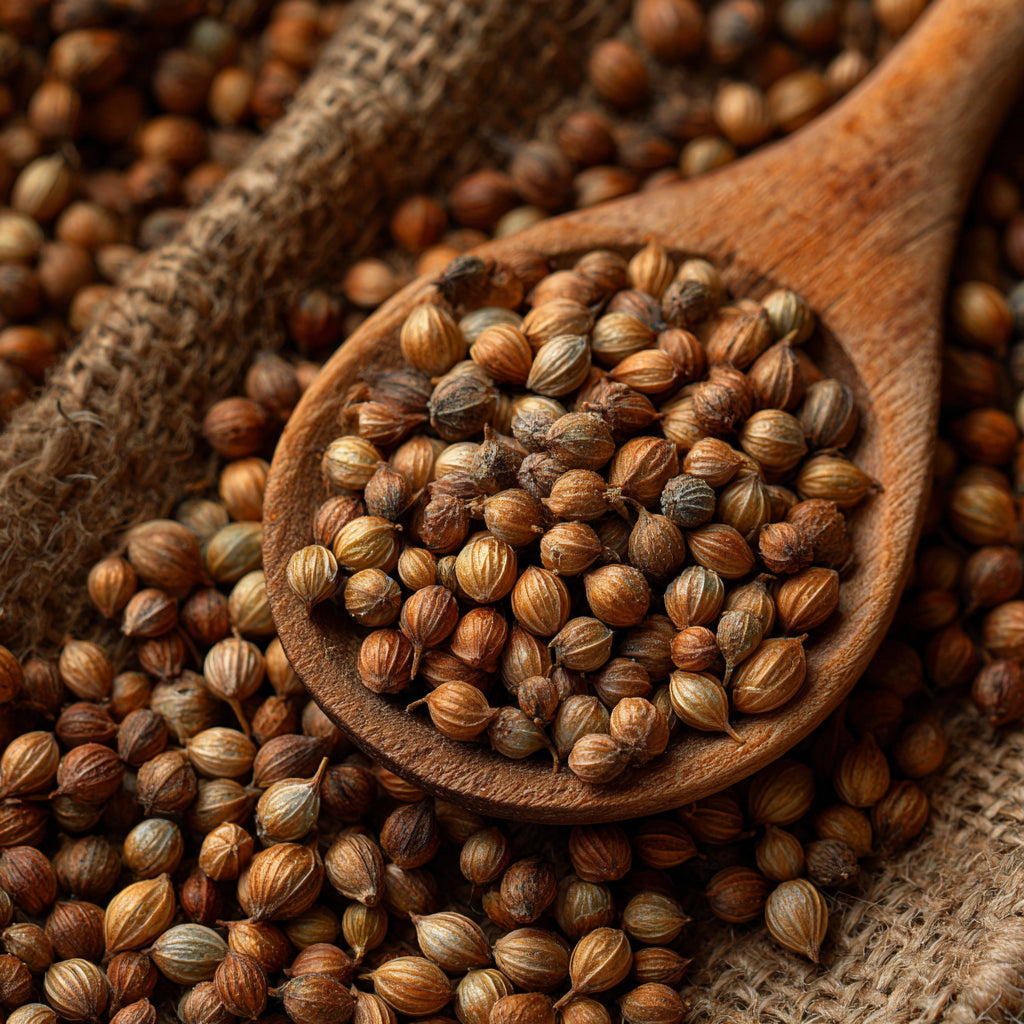
Coriander Seed CO₂ Wax is the solid wax fraction obtained from Coriandrum sativum seeds by supercritical CO₂ extraction. It combines a warm, spicy and woody seed aroma with a light citrus facet and the structure of a botanical wax.
Designed for natural perfumery and anhydrous formulations, it can add body, aromatic persistence and a distinctive coriander character to solid perfumes, balms, butters, incense and wax-based products.
Specifications
- Botanical Name: Coriandrum sativum L.
- Family Name: Apiaceae
- Common Name: Coriander
- INCI: Coriandrum Sativum Wax
- Part Used: Seeds
- Extraction Method: Supercritical CO₂ extraction (wax fraction)
- Note: Base; used as a fixative in perfumery
- Scent: Warm, spicy, woody and slightly citrus
- Appearance: Solid wax
- Country of Origin: Bulgaria
- Recommended Usage: 2–10%, depending on formulation and desired intensity
- Melting Point: 60–70 °C (140–158 °F)
- Solubility: Soluble in oils, alcohol and butters; insoluble in water
Aromatic Profile
Warm and softly sweet at first, with spicy coriander-seed character, a delicate citrus lift and a woody, balsamic dry-down. It works from the heart into the base of a composition and can help round out brighter notes.
Blends Well With
- Bergamot, lime, mandarin and orange
- Rose, neroli, ylang-ylang and lavender
- Cedarwood, frankincense, benzoin and vetiver
- Cardamom, black pepper and nutmeg
Chemistry
The wax fraction contains the lipophilic and aromatic material recovered from coriander seeds during supercritical CO₂ extraction. Unlike a steam-distilled essential oil, it also includes heavier, non-volatile wax and lipid components.
The exact constituent profile and concentration can vary by batch.
Applications
- Solid perfumes and natural fragrance bases
- Balms, body butters and anhydrous skincare
- Incense and ritual aromatic blends
- Wax-based fragrance products and massage candles
- Woody, spicy, citrus-spice and amber-style accords
Add during the oil phase using indirect heat.
Safety
- For external use and formulation use only; do not ingest.
- Do not apply the concentrated raw material directly to skin.
- Patch test the finished formulation and discontinue use if irritation occurs.
- Melt with indirect heat and keep away from direct flame.
Professional purchasing
Need a larger quantity, documentation or sourcing support?
Share
The information presented here is for educating our customers about the traditional uses of essential oils and is not intended to diagnose, treat, cure, or prevent any disease. You are responsible for understanding the safe application of these products.