

Botanica Gaia
Dark Patchouli Hydrosol | Pogostemon Cablin
Dark Patchouli Hydrosol | Pogostemon Cablin
Couldn't load pickup availability
Dark Patchouli Hydrosol
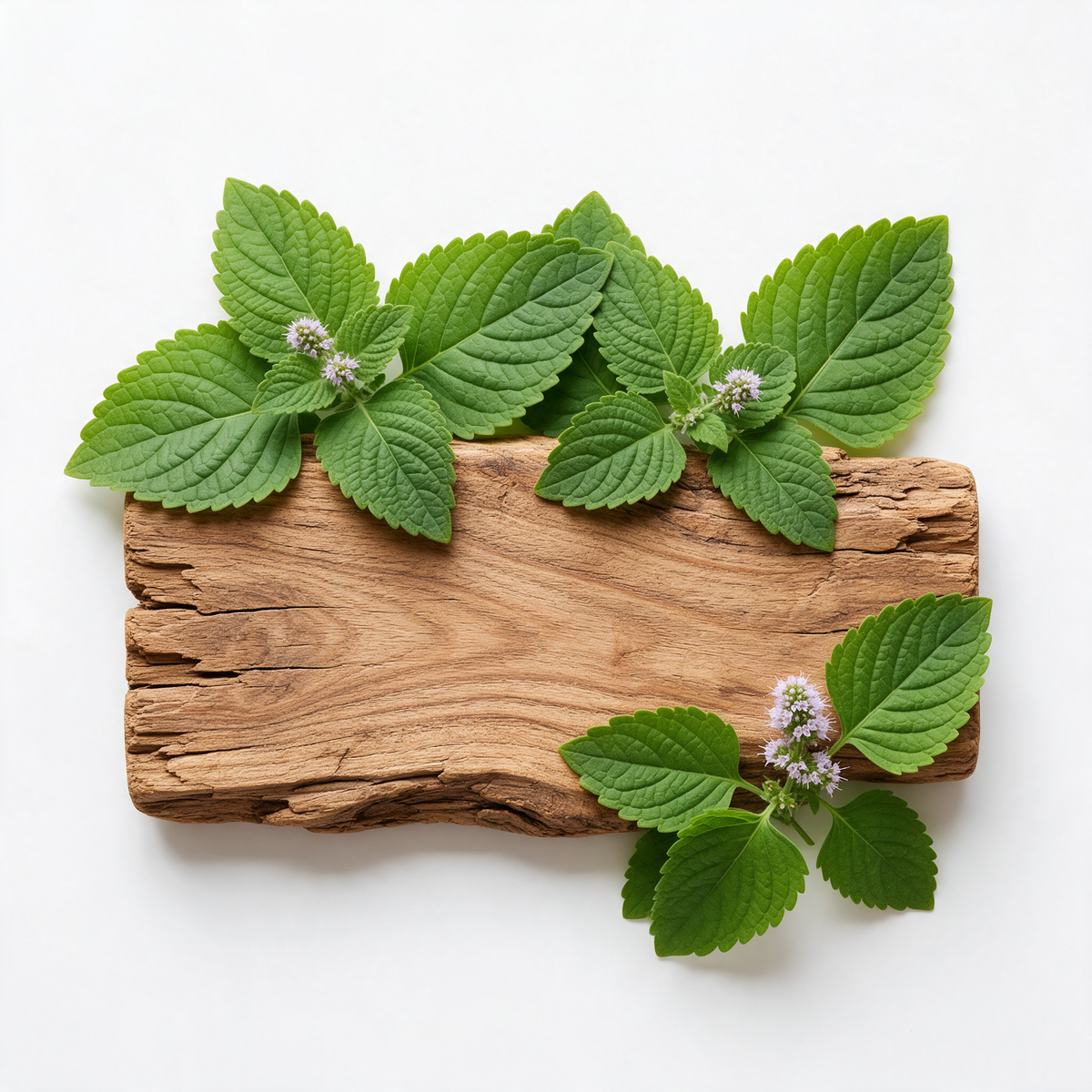
Dark Patchouli Hydrosol is a richly aromatic botanical distillate produced from the leaves of Pogostemon cablin. Unlike Patchouli Essential Oil, which is dense, earthy, and intensely concentrated, Patchouli Hydrosol offers a softer and more water-based interpretation of the plant’s characteristic aroma.
Its scent is deep, earthy, woody, slightly smoky, and gently herbaceous, with a subtle damp-soil quality and a smooth balsamic undertone. The “dark” character refers to its fuller, more grounded aromatic profile compared with lighter floral or herbal hydrosols.
This hydrosol is especially well suited to natural skincare, body care, aromatic mists, botanical toners, aftershave products, scalp preparations, and formulations where a subtle patchouli character is desired without the intensity of the essential oil.
Specifications
- Botanical name: Pogostemon Cablin.
- Family: Lamiaceae
- Common name: Patchouli.
- Extraction method: Steam distilled hydrosol
- Country of origin: Indonesia.
- Appearance: Water-like liquid
- Aroma: Deep, earthy, woody, herbaceous, slightly smoky, and softly balsamic.
Aroma Profile
Deep, earthy, woody, herbaceous, slightly smoky, and softly balsamic.
The aroma may also reveal nuances of:
- Damp earth
- Aged wood
- Dry leaves
- Soft resinous notes
- Mild herbal freshness
- Subtle sweetness
Appearance
Clear to slightly hazy liquid, typically colorless to pale amber or light brown depending on the distillation method, botanical material, and batch.
Cosmetic Properties
Patchouli Hydrosol is valued primarily for its aromatic, refreshing, and skin-conditioning qualities.
It may be especially suitable for formulations intended for:
- Oily or combination skin
- Mature skin
- Botanical facial care
- Scalp care
- Refreshing body products
- Grounding aromatic products
- Aftershave preparations
- Naturally scented skincare
Its botanical character makes it a useful alternative when formulators want the recognizable personality of patchouli in a much softer concentration than Patchouli Essential Oil.
Formulation Notes
Hydrosols are water-based materials and should be treated as part of the aqueous phase of a cosmetic formulation.
When used in creams, lotions, gels, or other water-containing products, an appropriate preservation system should be used.
The exact aroma, color, and composition may vary naturally from batch to batch according to the botanical material, distillation parameters, harvest conditions, and storage.
Suggested Usage Level
Typical cosmetic usage can range from approximately 5% to 100%, depending on the formulation and intended application.
It may be used:
- As part of the water phase in emulsions
- As a complete water replacement in some formulations
- Undiluted as a botanical mist where appropriate
- In combination with other hydrosols
Final usage should always be determined by the formulator and the preservation system used.
Storage
Store tightly sealed in a cool, dark place away from direct sunlight, heat, and contamination.
Refrigeration may help maintain freshness after opening, particularly when the hydrosol is supplied without a preservative.
Use clean dispensing practices to minimize microbial contamination.
Suggested Applications
Dark Patchouli Hydrosol may be used in:
- Facial toners.
- Botanical facial mists.
- Body sprays.
- Aftershave formulations.
- Scalp tonics.
- Hair mists.
- Creams and lotions.
- Gel formulations.
- Cleansers.
- Botanical compresses.
- Natural perfumery.
- Room and linen sprays.
- Aromatic body products.
- Soap and cosmetic formulations.
Perfumery Character
In natural perfumery, Dark Patchouli Hydrosol provides a very subtle earthy and woody background.
It works particularly well with:
- Vetiver.
- Cedarwood.
- Sandalwood.
- Frankincense.
- Myrrh.
- Rose.
- Jasmine.
- Ylang Ylang.
- Lavender.
- Bergamot.
- Orange.
- Vanilla.
- Benzoin.
- Oakmoss-style accords.
Because hydrosols are water-based and lightly aromatic, they are best used in mists, water-based perfumes, room sprays, and cosmetic formulations rather than as direct substitutes for concentrated essential oils.
Safety
The principal risk is microbiological stability.
- For external use only: Avoid eyes, mucosa and damaged skin; do not ingest
- Asteraceae sensitivity: Users with known family sensitivity should seek qualified advice
- Shelf life: State only the period supported by testing
Professional purchasing
Need a larger quantity, documentation or sourcing support?
Share
The information presented here is for educating our customers about the traditional uses of essential oils and is not intended to diagnose, treat, cure, or prevent any disease. You are responsible for understanding the safe application of these products.