

Botanica Gaia
Damask Rose Wax – Natural Floral Wax
Damask Rose Wax – Natural Floral Wax
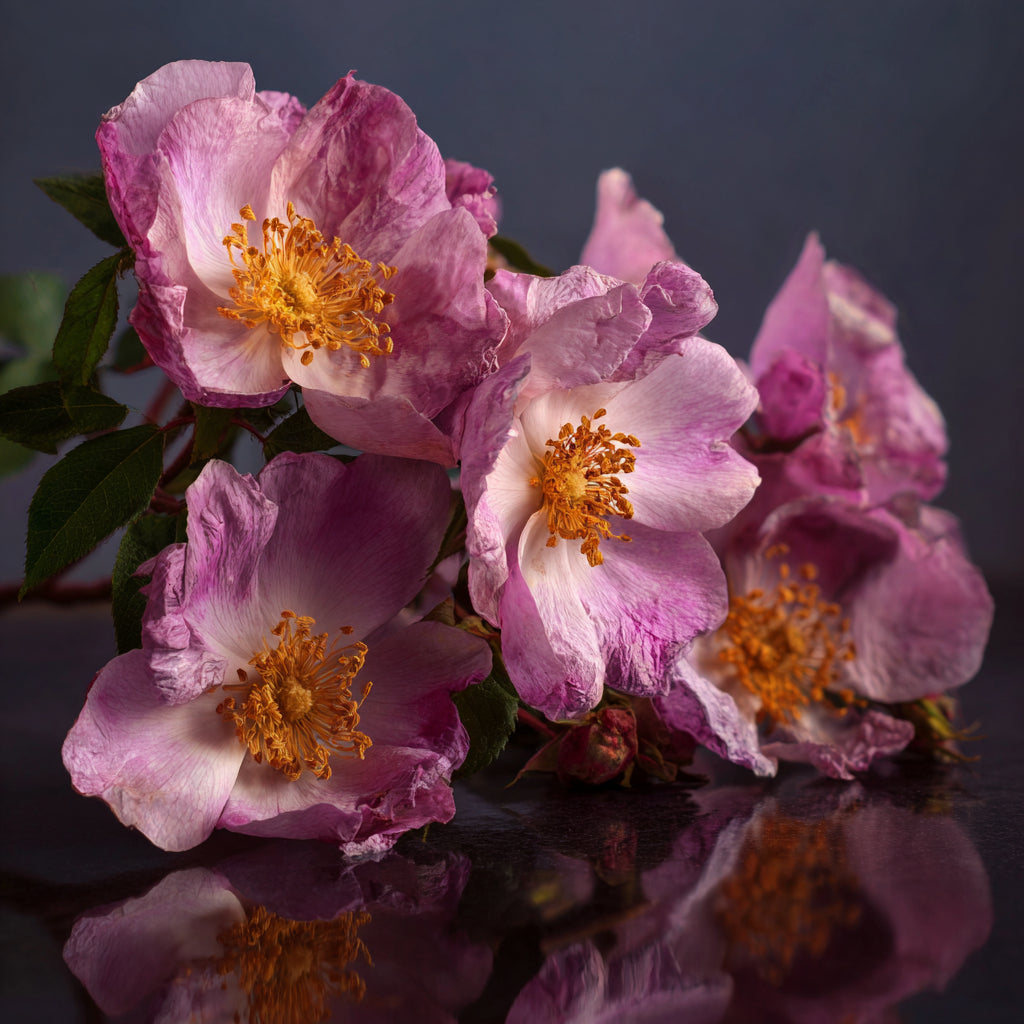
Damask Rose CO₂ floral wax with a rich rosy, honeyed aroma for perfumery and anhydrous formulations.
Couldn't load pickup availability
Overview
Damask Rose Wax is the solid floral wax fraction obtained from rose flowers by supercritical CO₂ extraction. It combines the lush, full-bodied aroma of Damask rose with a structuring wax texture for natural perfumery, balms, butters and other anhydrous products.
Its rosy, honeyed and softly green character works as a floral heart-to-base note and can add both aromatic persistence and sensorial richness.
Specifications
- Botanical Name: Rosa damascena Mill.
- Botanical name: Rosa × damascena Herrm.
- Family Name: Rosaceae
- Common Names: Damask rose; Bulgarian rose
- INCI: Rosa Damascena Wax
- Part Used: Flowers
- Extraction Method: Supercritical CO₂ extraction (wax fraction)
- Note: Base; used as a fixative in perfumery
- Scent: Rich floral, rosy and slightly honeyed
- Appearance: Solid wax
- Country of Origin: Bulgaria
- Recommended Usage: 2–10%, depending on formulation and desired intensity
- Melting Point: Approximately 80 °C (176 °F)
- Solubility: Soluble in oils, alcohol and butters; insoluble in water
Aromatic Profile
A deep Damask-rose profile with fresh petal richness, soft honey, green foliage and a subtle spicy warmth. It is rounder and more waxy than a highly volatile rose distillate and supports long-lasting floral compositions.
Blends Well With
- Sandalwood, vetiver and cedarwood
- Frankincense, amber accords and benzoin
- Orris, vanilla, jasmine and other florals
- Green, honeyed and soft spice accords
Chemistry
The CO₂ wax fraction contains aromatic rose material together with heavier lipophilic and wax components.
Applications
- Solid perfumes and floral fragrance bases
- Body butters, balms and massage bars
- Anhydrous creams and facial balms
- Aromatic candles and wax-based products
- Rose-led amber, woody and floral accords
Safety
- For external use and formulation use only; do not ingest.
- Do not apply the concentrated wax directly to skin.
- Patch test the finished formulation.
- Melt with indirect heat and keep away from direct flame.
Professional purchasing
Need a larger quantity, documentation or sourcing support?
Share
The information presented here is for educating our customers about the traditional uses of essential oils and is not intended to diagnose, treat, cure, or prevent any disease. You are responsible for understanding the safe application of these products.